Photo via FreightWaves
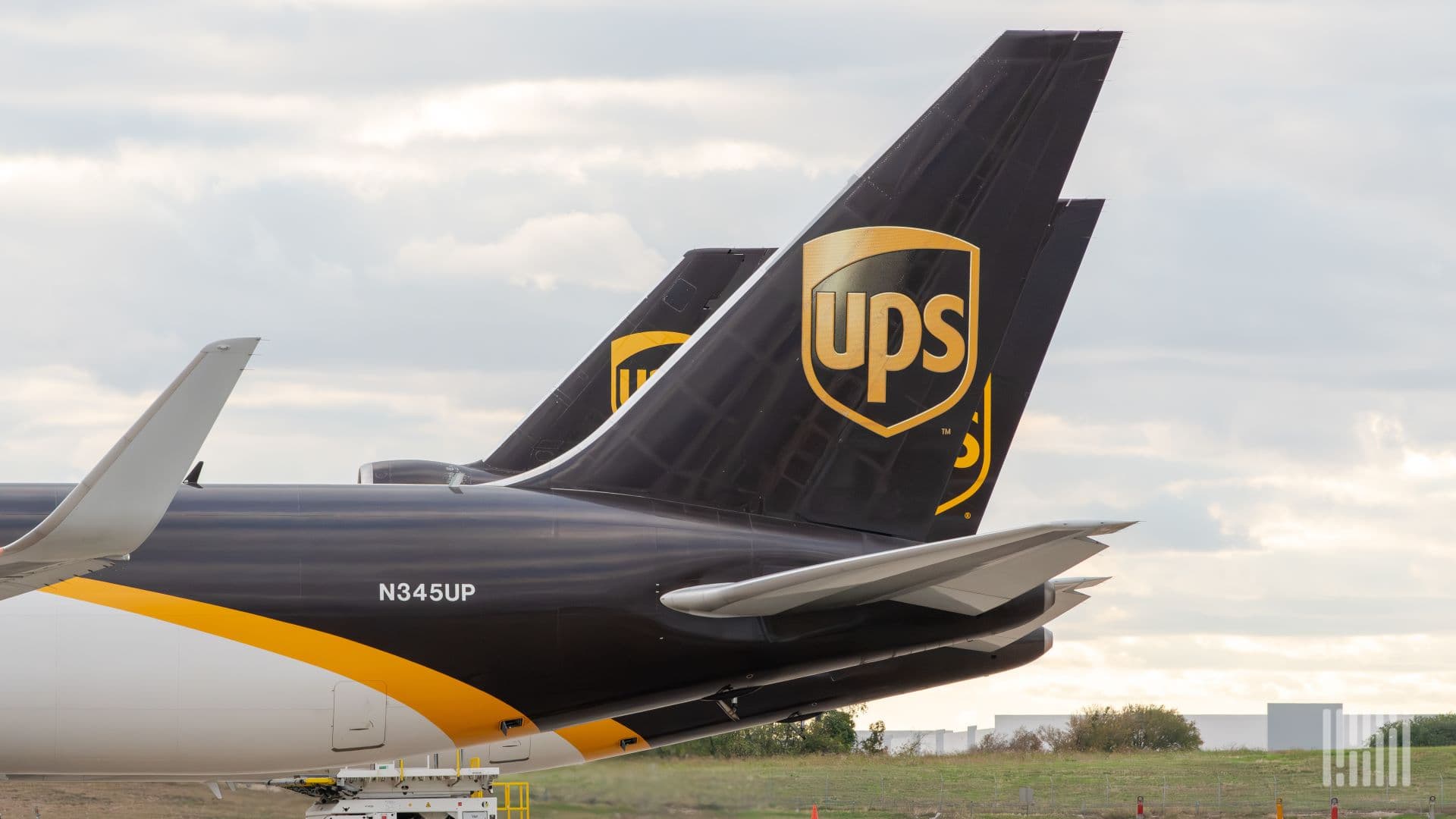
UPS has committed $50 million to enhance its cross-border freight operations between the United States and Mexico, introducing guaranteed next-day delivery service and customized pricing structures for industrial shippers. According to FreightWaves, the investment reflects the carrier's strategy to capture growing trade volumes along one of North America's busiest supply corridors.
The service upgrade comes as manufacturers and distributors—particularly those in the Northeast and Mid-Atlantic regions—increasingly rely on Mexican suppliers and production facilities to optimize costs and supply chain resilience. For Boston-area companies in life sciences, advanced manufacturing, and consumer goods, faster and more predictable Mexico-US transit times could streamline sourcing strategies and reduce inventory carrying costs.
The introduction of freight-specific pricing signals UPS's recognition that industrial shippers require different service models than parcel customers. By tailoring rates and guarantees to freight operations, the carrier aims to compete more aggressively with dedicated freight networks while leveraging its existing parcel infrastructure—a hybrid approach that could benefit regional businesses with moderate cross-border volumes.
The investment underscores broader competitive pressures in logistics as e-commerce, nearshoring trends, and supply chain diversification reshape shipping demand. For Boston's business community, improved cross-border efficiency may lower landed costs for imported components and finished goods, supporting competitiveness in manufacturing-adjacent sectors.