Photo via FreightWaves
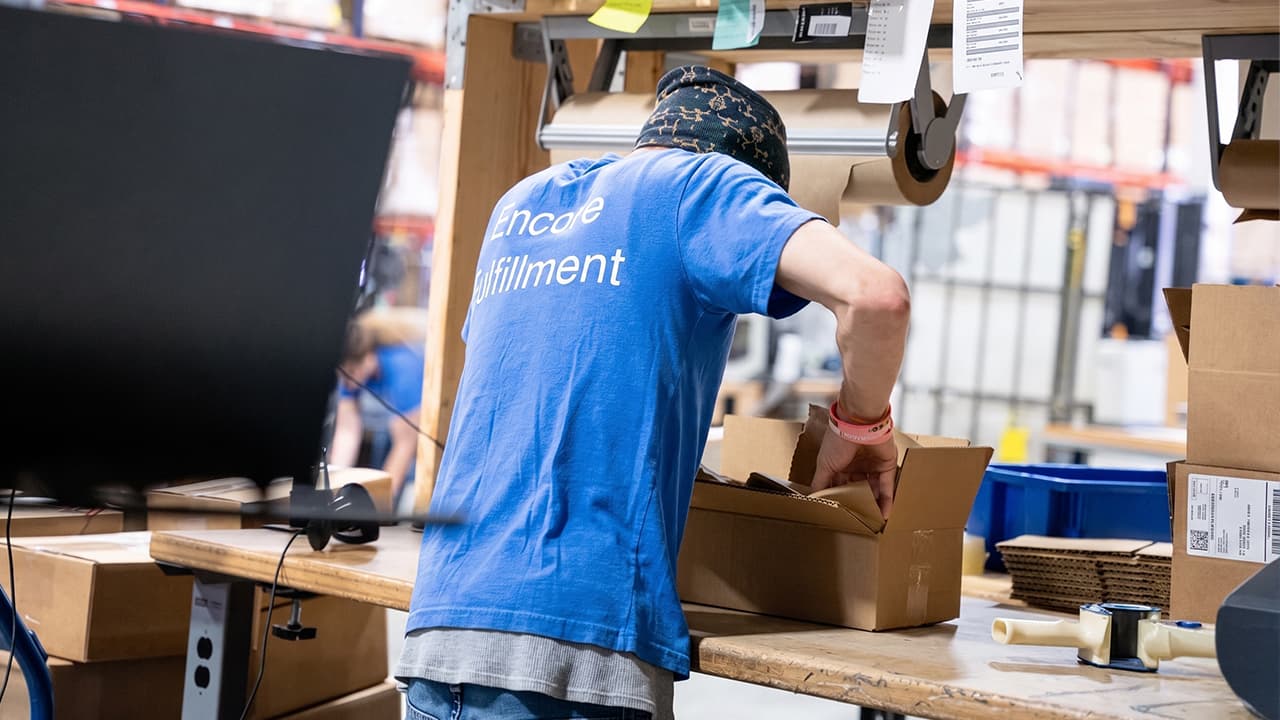
The e-commerce logistics sector continues to show robust expansion as two major fulfillment providers have announced new warehouse operations in the Great Plains region, according to FreightWaves. The moves reflect broader industry trends toward geographic diversification and increased capacity to handle growing order volumes.
The new facilities in Texas and Oklahoma position these providers to better serve customers across the central United States, reducing shipping times and logistics costs for retailers leveraging their services. This type of regional expansion has become increasingly common as companies compete to offer faster delivery windows to consumers.
For Boston-area retailers and e-commerce businesses, the expansion of fulfillment capacity in the Great Plains region means more options for third-party logistics partnerships and potentially improved delivery timelines to customers in underserved markets. As local companies grow their national footprints, access to distributed fulfillment networks becomes a key competitive advantage.
The logistics expansion trend underscores the ongoing transformation of supply chain management in retail. Companies that can efficiently position inventory across multiple regional hubs are better positioned to meet consumer expectations for rapid delivery, making facility investment a critical strategic priority for fulfillment providers nationwide.