Photo via FreightWaves
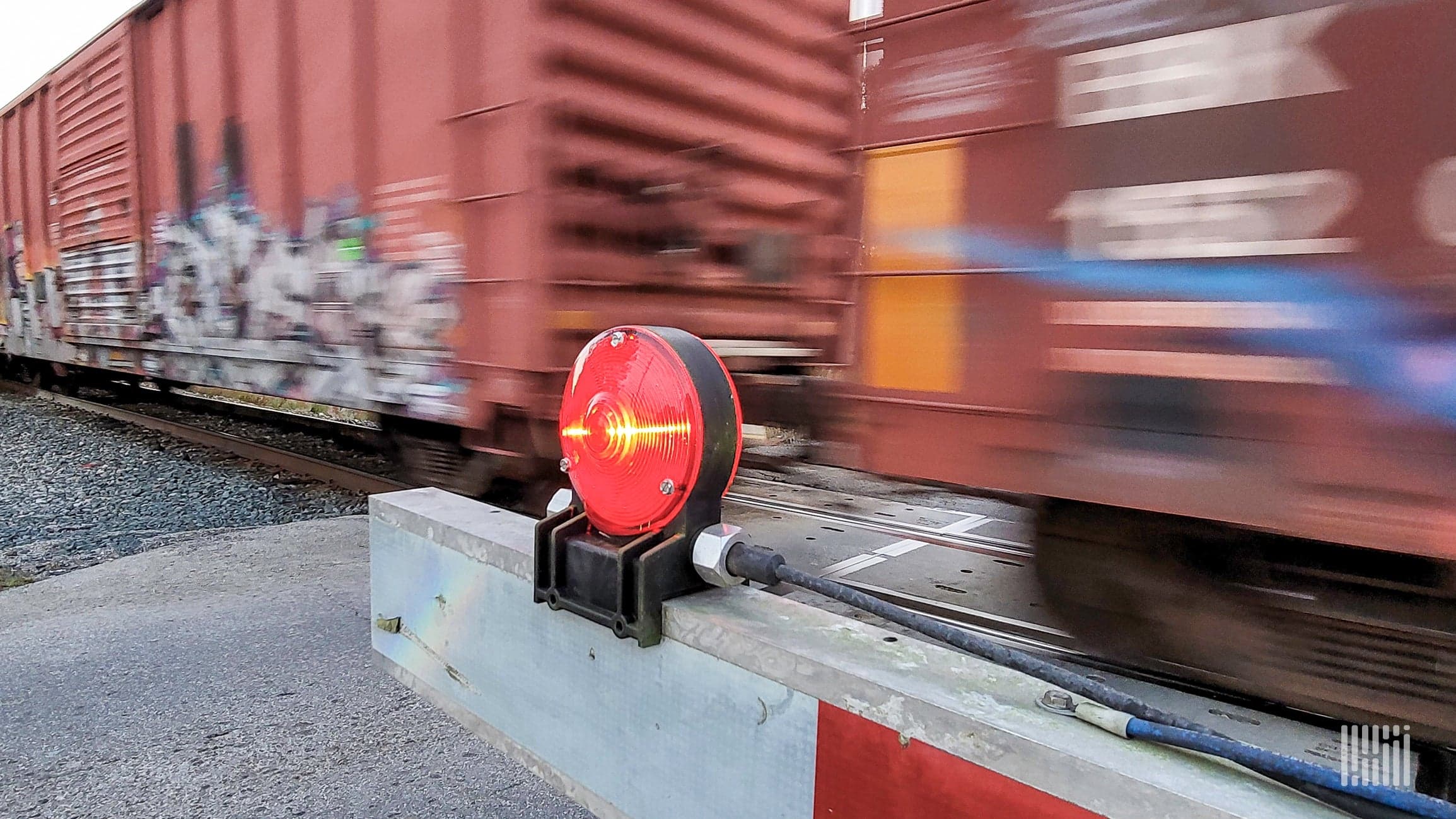
According to FreightWaves, a troubling string of freight train collisions across the United States has resulted in five fatalities and two injuries over the past seven days. The incidents, occurring near San Antonio, Texas and Ypsilanti, Michigan, underscore ongoing safety concerns within the rail transportation sector that logistics professionals and supply chain managers across Boston and New England rely upon daily.
For Boston-area businesses dependent on rail freight—including manufacturers, distributors, and retailers—these incidents highlight the risks inherent in long-distance cargo transport. New England's manufacturing and consumer goods sectors maintain substantial reliance on freight rail networks that connect to major corridors throughout the country, making domestic rail safety a matter of regional economic importance.
The recurring nature of these collisions prompts questions about whether current safety regulations, training protocols, and infrastructure maintenance standards are adequate. Industry stakeholders and federal regulators may face mounting pressure to conduct comprehensive reviews of practices across the nation's freight rail system.
For local business owners and logistics decision-makers, these incidents serve as a reminder to evaluate their transportation partnerships and risk management strategies. Understanding the safety records and operational practices of freight carriers remains critical for companies managing inventory and supply chain resilience in a competitive regional market.