Photo via FreightWaves
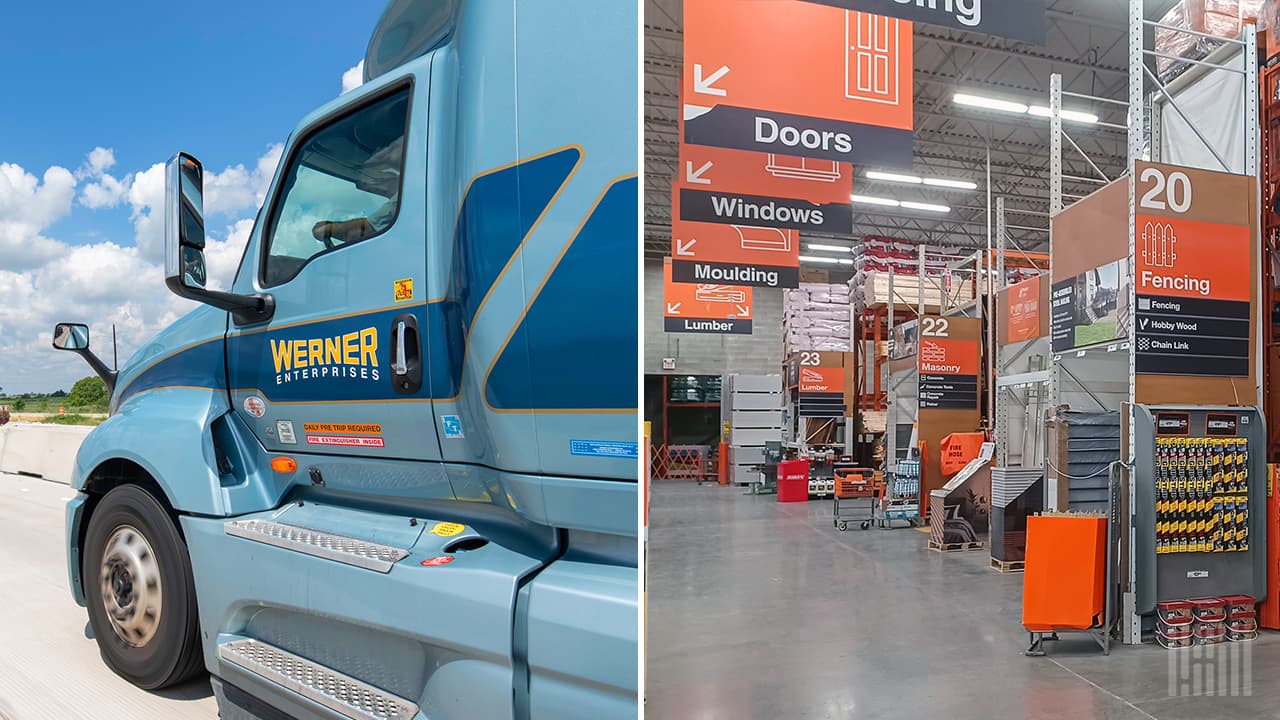
The Texas Supreme Court has issued a significant ruling that addresses long-standing questions about shipper liability in freight disputes. According to FreightWaves, the decision in the Home Depot/Werner case has effectively narrowed the scope of liability that shippers can face in certain transportation scenarios, marking a notable shift in how courts interpret carrier-shipper relationships.
The ruling comes at a time when supply chain liability has become an increasingly contentious issue across the transportation industry. For Boston-area retailers and distributors—including major Northeast operations that rely on complex logistics networks—clarity on liability boundaries can directly impact shipping strategies, insurance costs, and contract negotiations with carriers.
The implications extend beyond Texas, as courts in other jurisdictions often reference major state supreme court decisions when interpreting similar disputes. New England companies involved in retail, e-commerce, and wholesale distribution may find this precedent influences how their own liability provisions are evaluated in future shipping-related claims.
Industry observers suggest that shippers and carriers should review their current contractual agreements in light of this decision. For Boston-based logistics providers and companies that regularly engage transportation services, understanding how liability standards are now defined could affect risk management strategies and operational planning going forward.