Photo via FreightWaves
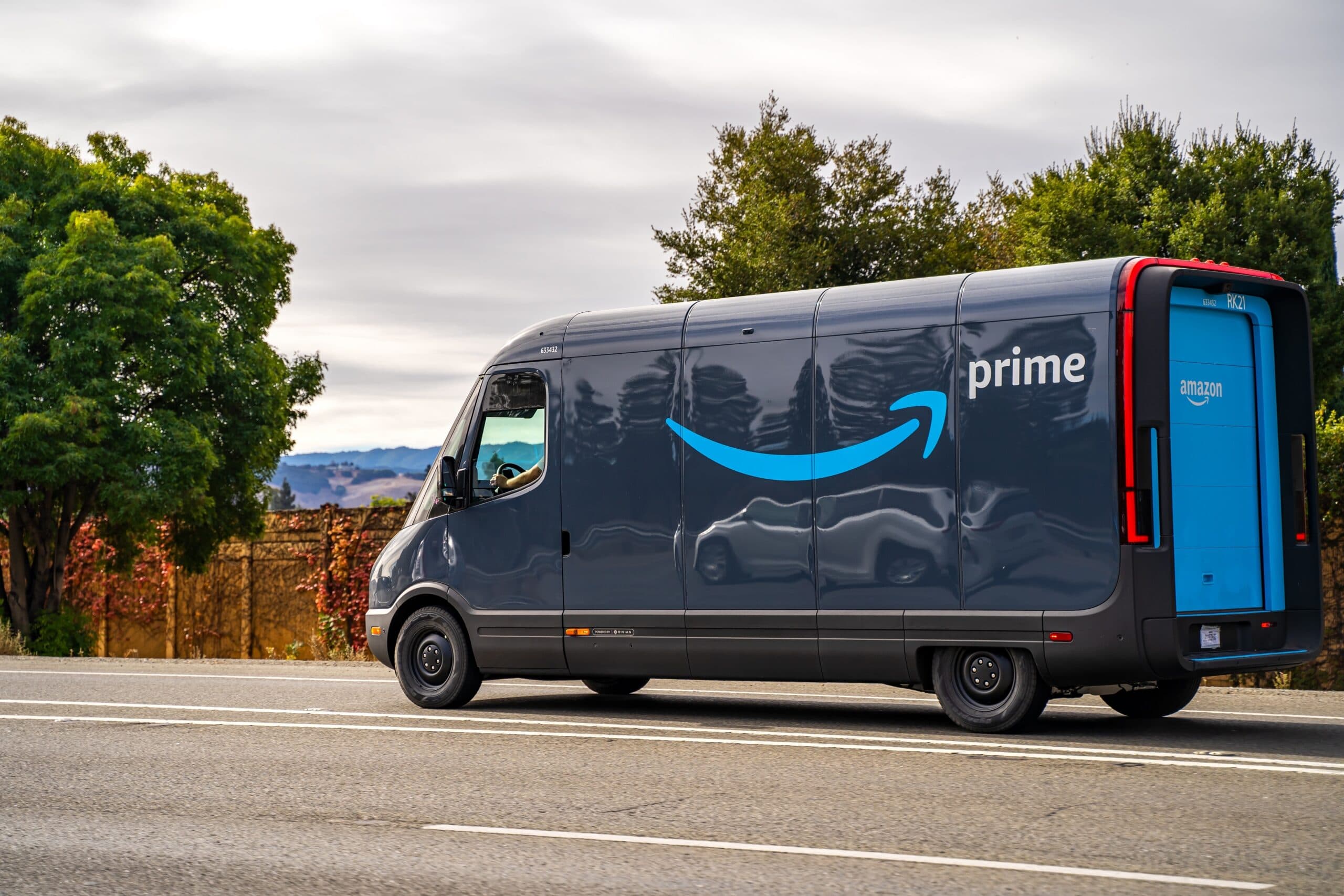
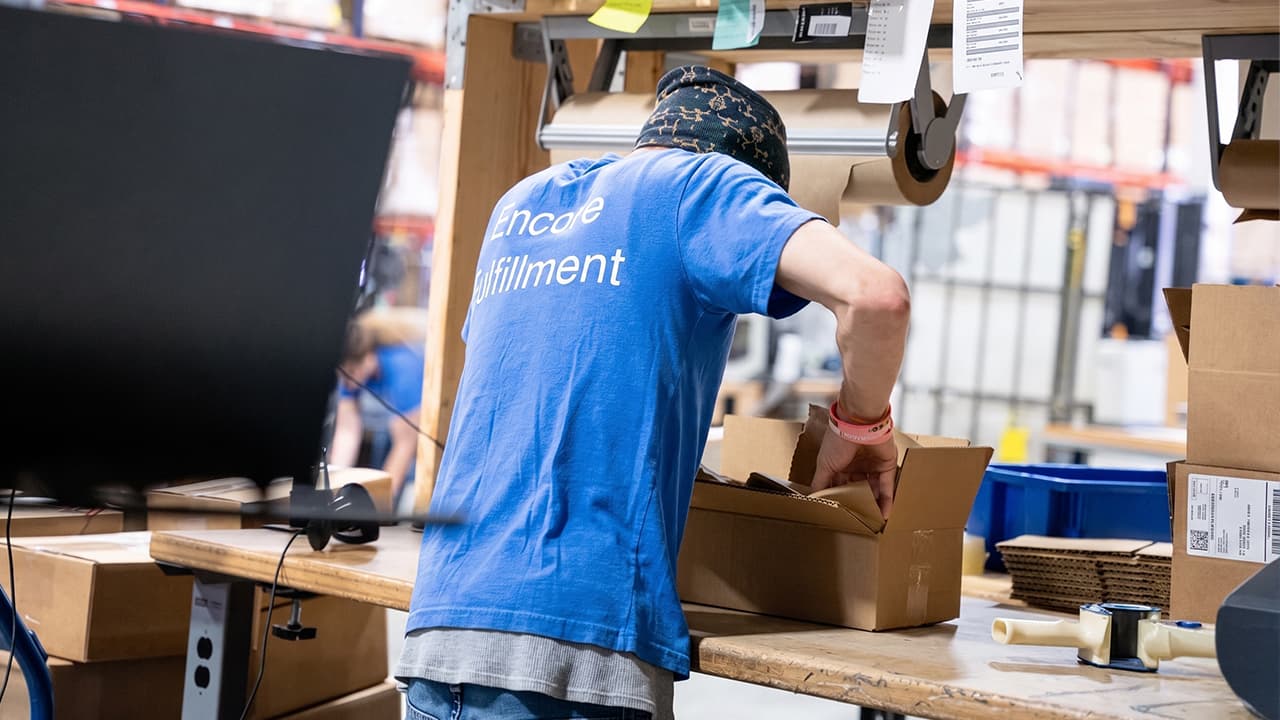
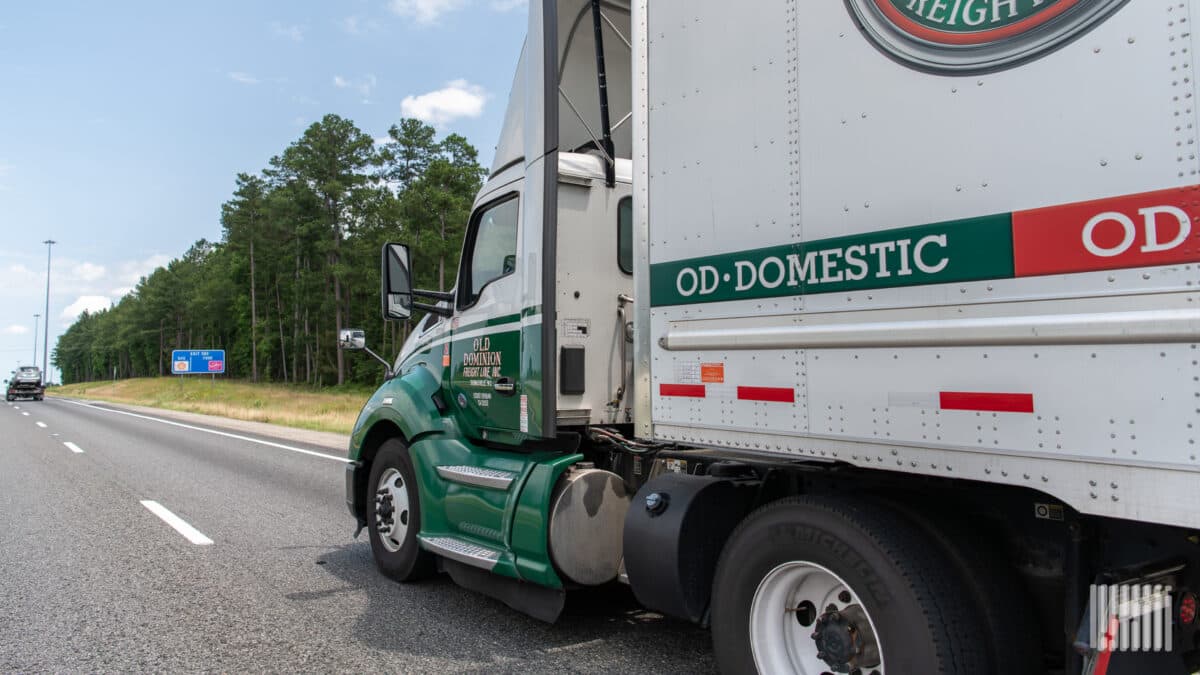
In a significant decision for the logistics industry, the Supreme Court has expanded the legal definition of an interstate worker to encompass delivery personnel who operate solely within state boundaries. According to FreightWaves, this ruling widened the scope of federal jurisdiction over worker classifications in ways that could impact how Massachusetts-based delivery services classify and regulate their workforce.
The decision has immediate implications for Boston-area companies in the e-commerce and last-mile delivery sectors. Previously, interstate worker status typically required that employees physically cross state lines as part of their regular duties. This ruling suggests that the nature of the work and its connection to interstate commerce, rather than geography alone, may determine classification.
For local logistics providers and retailers relying on delivery networks throughout New England, the ruling introduces new considerations for compliance and labor management. Companies will need to review their current worker classifications to determine whether intrastate delivery personnel now fall under interstate worker regulations, potentially affecting wages, benefits, and working conditions.
Legal and human resources experts recommend that Boston-area businesses in logistics, retail, and e-commerce consult with employment counsel to ensure compliance with the updated standards. The ruling underscores the evolving regulatory landscape for the gig and delivery economy, which has become increasingly central to the regional economy.