Photo via FreightWaves
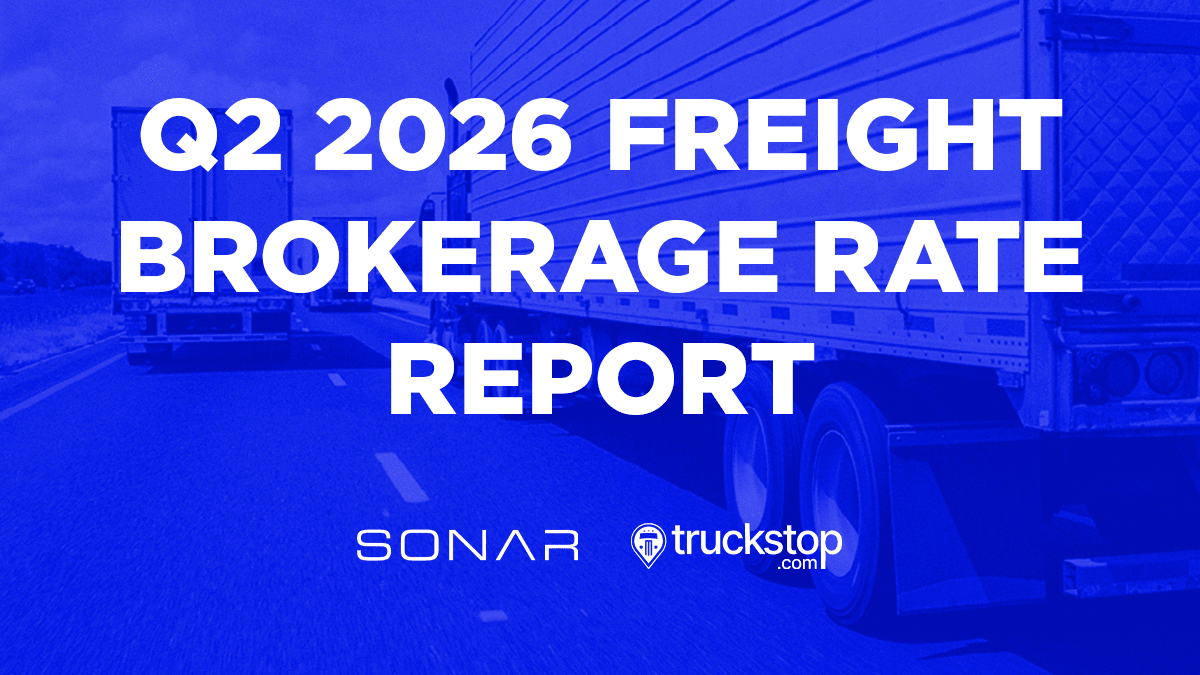
FreightWaves has released its Q2 2026 Freight Brokerage Rate Report, a comprehensive analysis designed to help logistics professionals navigate market dynamics. According to the report, the data combines insights from industry surveys with real-time market information to deliver actionable intelligence for brokers planning their strategies.
For Boston-area businesses reliant on freight services—including manufacturers, retailers, and distribution centers across New England—understanding rate trends is critical to managing supply chain costs. The report synthesizes broker feedback with market data to identify patterns that impact pricing and capacity in the regional freight network.
The research methodology leverages both qualitative feedback from freight brokerage professionals and quantitative SONAR data, providing a balanced view of market conditions. This dual approach allows brokers to anticipate shifts in demand, capacity constraints, and pricing pressure across key shipping lanes affecting the Northeast corridor.
As New England's logistics sector continues to compete in a tightening capacity environment, reports like this offer competitive advantage to companies that use data-driven forecasting. Brokers and shippers looking to optimize their operations over the coming months can access the full analysis through FreightWaves' platform, sponsored by Truckstop.com.