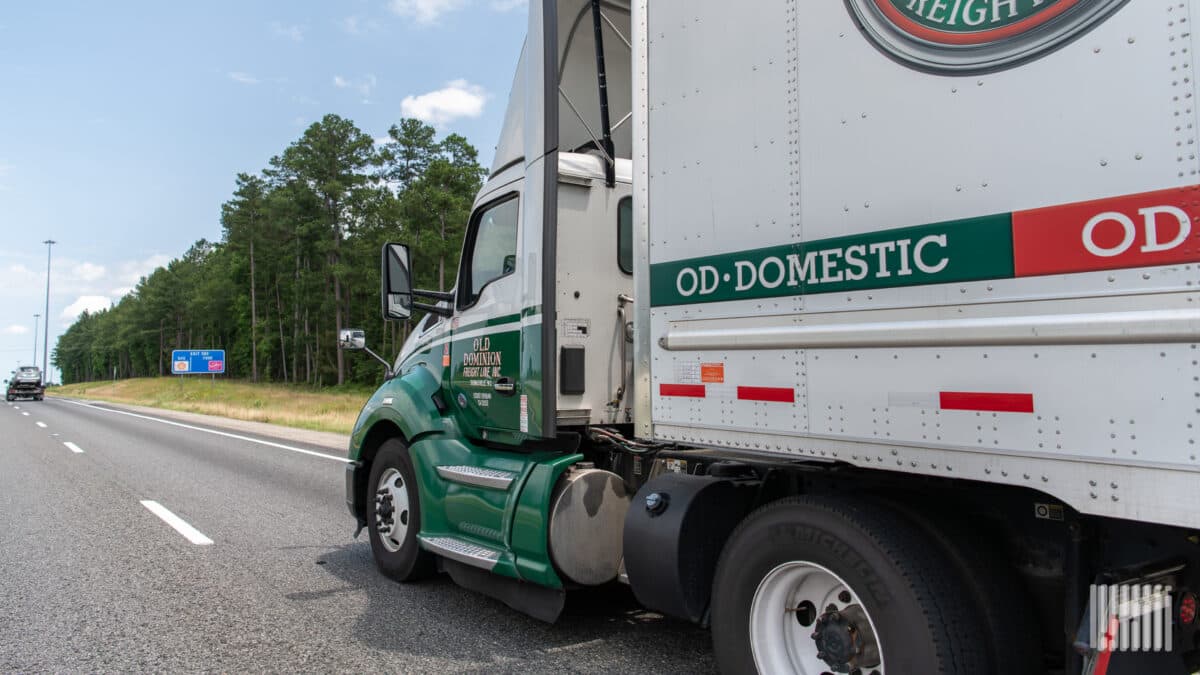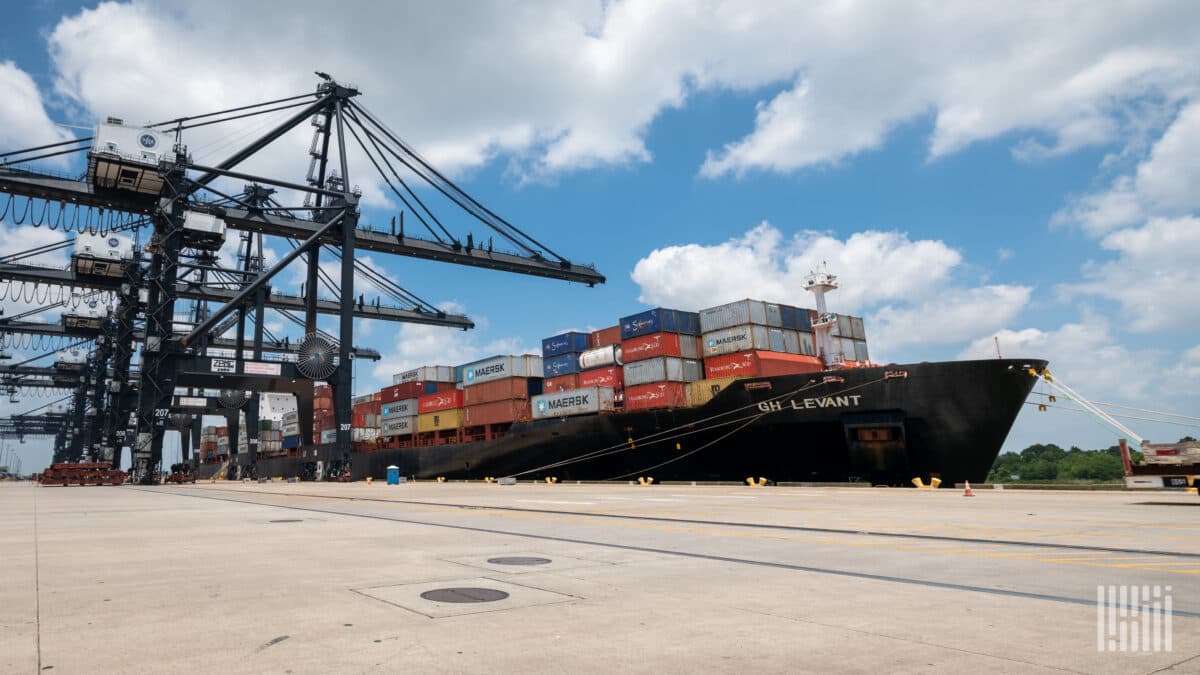
Photo via FreightWaves
Ocean shipping rates are on an upward trajectory as carriers prepare for peak season demand, creating fresh headwinds for supply chain managers across New England. According to FreightWaves, the combination of rising costs and persistently slow transit times is reshaping logistics strategies for companies that depend on imported goods.
For Boston-area retailers, manufacturers, and distributors, higher ocean freight bills directly impact margins and inventory planning. Many Northeast businesses have spent months managing disruptions from earlier supply chain challenges, and another cost shock arrives at a critical time when holiday inventory needs are being finalized.
The extended transit delays remain particularly problematic, as longer lead times require shippers to commit to orders and capital earlier in the planning cycle. This compounds the rate increases, effectively raising the total cost of doing business for companies with tight cash flow or limited storage capacity.
Supply chain professionals in the region should prepare contingency plans now, including potential carrier negotiations, route diversification, or adjusted import timelines. Early action may help Boston-based companies mitigate the impact before peak season pricing becomes locked in across the industry.