Photo via FreightWaves
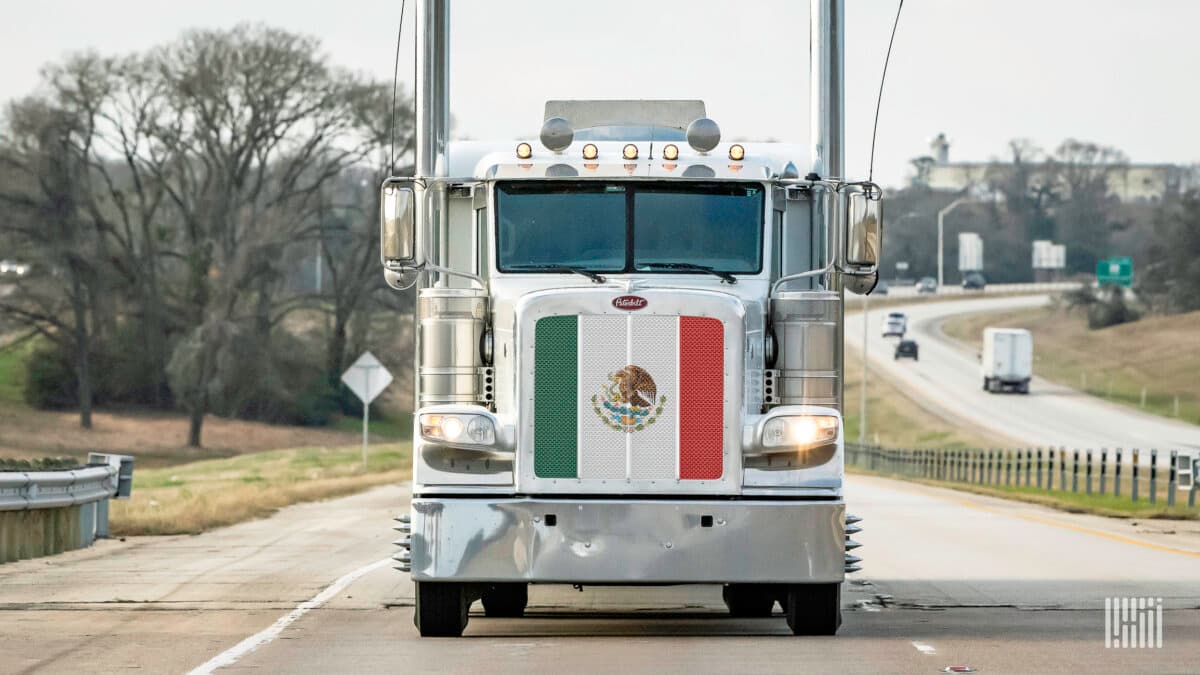
A significant enforcement action targeting Mexican truckers has resulted in widespread visa denials, according to FreightWaves. The crackdown centers on cabotage violations—instances where foreign carriers illegally transport goods between domestic US points rather than restricting operations to cross-border routes. For Boston-area logistics companies reliant on cross-border trucking capacity, this development could reshape sourcing strategies and supply chain planning.
The scale of the visa revocations affects thousands of drivers who have historically facilitated trade between the US and Mexico. This enforcement action reflects heightened scrutiny of trade compliance and represents a shift in how customs and border authorities manage cross-border commercial transportation. Companies in New England with Mexican supply chain partners should review their carrier relationships and verify compliance with federal transportation regulations.
Simultaneously, US and Mexico have begun initial rounds of USMCA renegotiation discussions, which could eventually address trucking privileges and cross-border logistics frameworks. FreightWaves reports these talks represent an opportunity to clarify rules around Mexican carrier operations. For Boston importers, manufacturers, and logistics providers, outcomes from these negotiations may determine future access to Mexican trucking capacity and transportation costs.
The implications extend beyond border operations to regional supply chains. Industries including automotive, manufacturing, and food distribution in Massachusetts and throughout New England depend partially on efficient cross-border trucking. Companies should monitor regulatory developments and consult with freight forwarders about contingency plans, particularly those with significant Mexican sourcing or distribution operations.