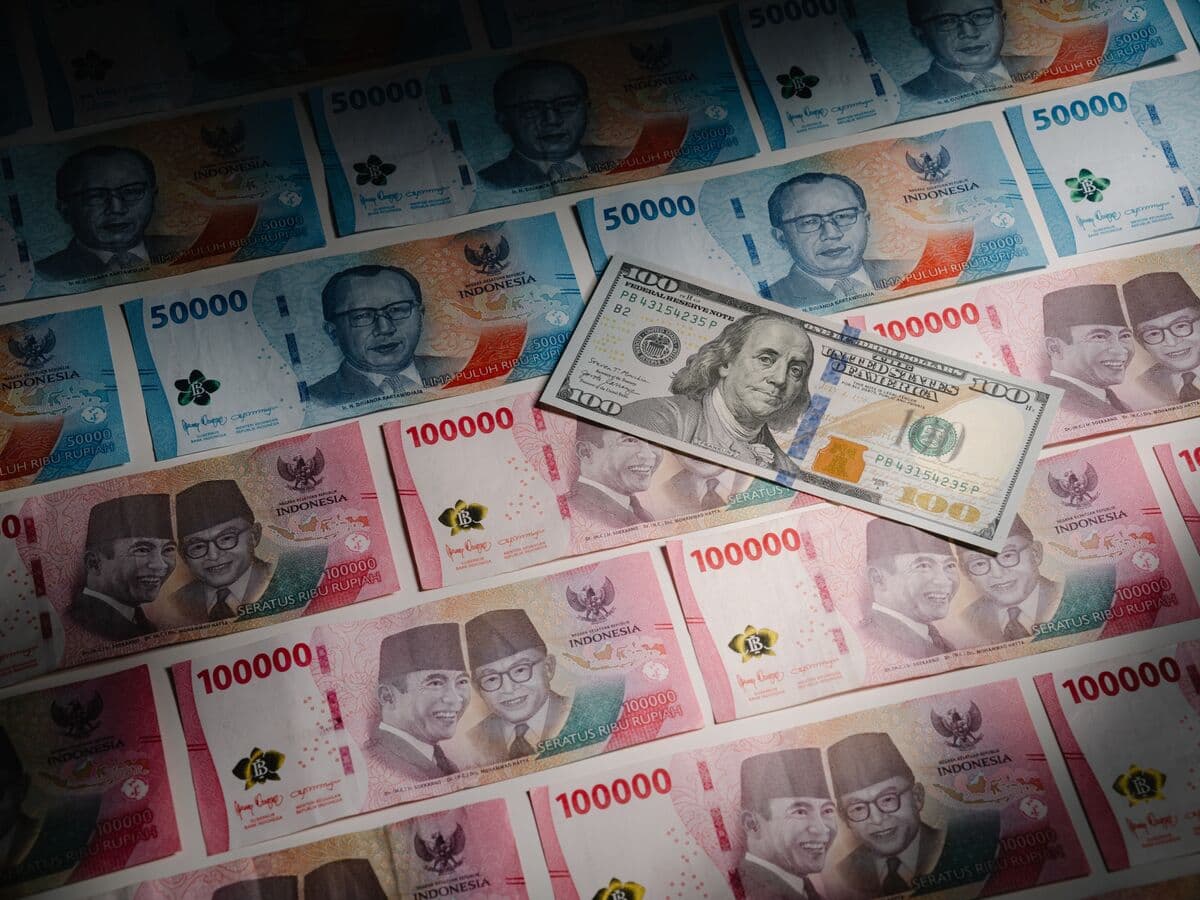
Photo via Bloomberg Markets
The Indonesian rupiah is approaching a critical psychological threshold that has caught the attention of currency traders and emerging market investors worldwide. According to Bloomberg Markets, the weakness in the rupiah is prompting speculation about whether Indonesia's central bank will take more aggressive action to shore up the currency. For Boston-based asset managers with emerging market exposure, this development underscores the volatility inherent in Southeast Asian markets.
Psychological price levels often trigger institutional responses in currency markets, and the rupiah's approach to the 18,000 mark is no exception. When currencies breach key round numbers, central banks frequently intervene to prevent further depreciation, which can signal deeper economic concerns. Investors are now positioning themselves in anticipation of potential policy moves from Indonesia's monetary authorities.
The rupiah's struggles reflect broader pressures facing emerging market currencies, including interest rate differentials and capital flow dynamics. For Boston financial institutions managing international portfolios, currency weakness in major emerging economies can impact returns and require portfolio rebalancing. Indonesia, as Southeast Asia's largest economy, carries particular weight in emerging market indices that many regional funds track.
Market participants are closely monitoring whether Indonesia's central bank will implement stronger interventions or allow the currency to find a new equilibrium. Such policy decisions can create both risks and opportunities for global investors. Boston-based investment managers with exposure to Indonesian assets or broader emerging market funds should be watching developments closely, as central bank actions could signal shifting monetary policy or economic headwinds ahead.