Photo via FreightWaves
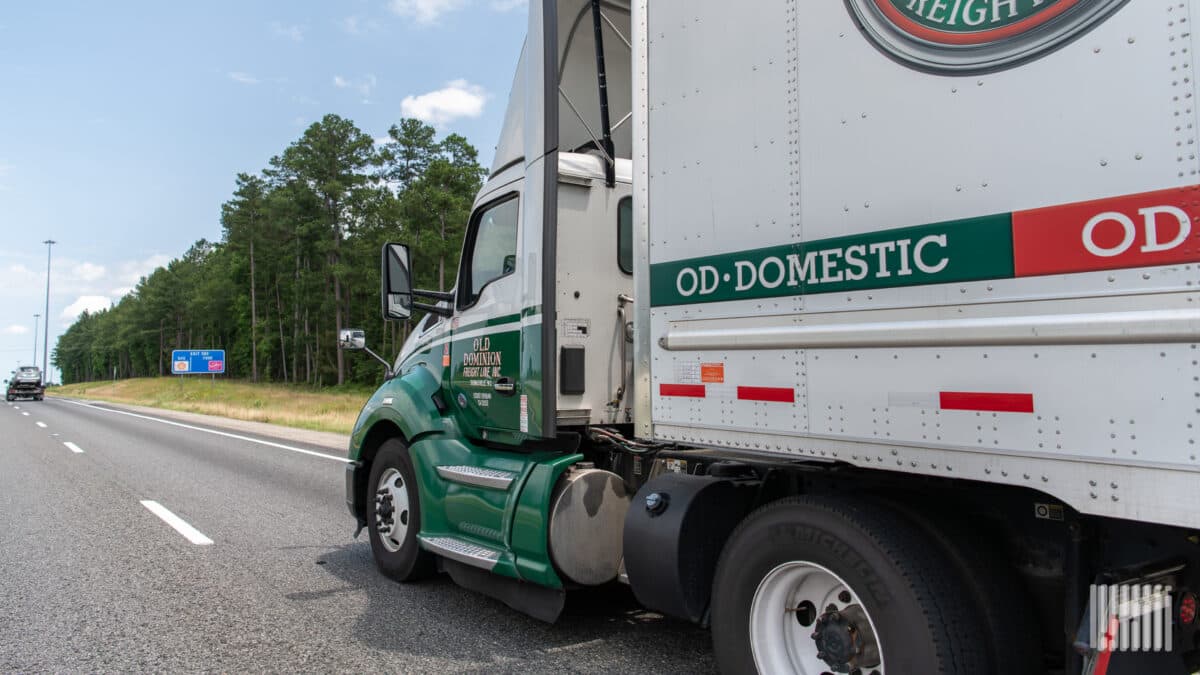
According to FreightWaves, a regulatory shift in the trucking industry is pushing marginal operators toward hotshot and auto transport services rather than out of business entirely. As enforcement on long-haul trucking has intensified, smaller operators are exploiting less-regulated niches where compliance barriers are lower and operational costs are reduced.
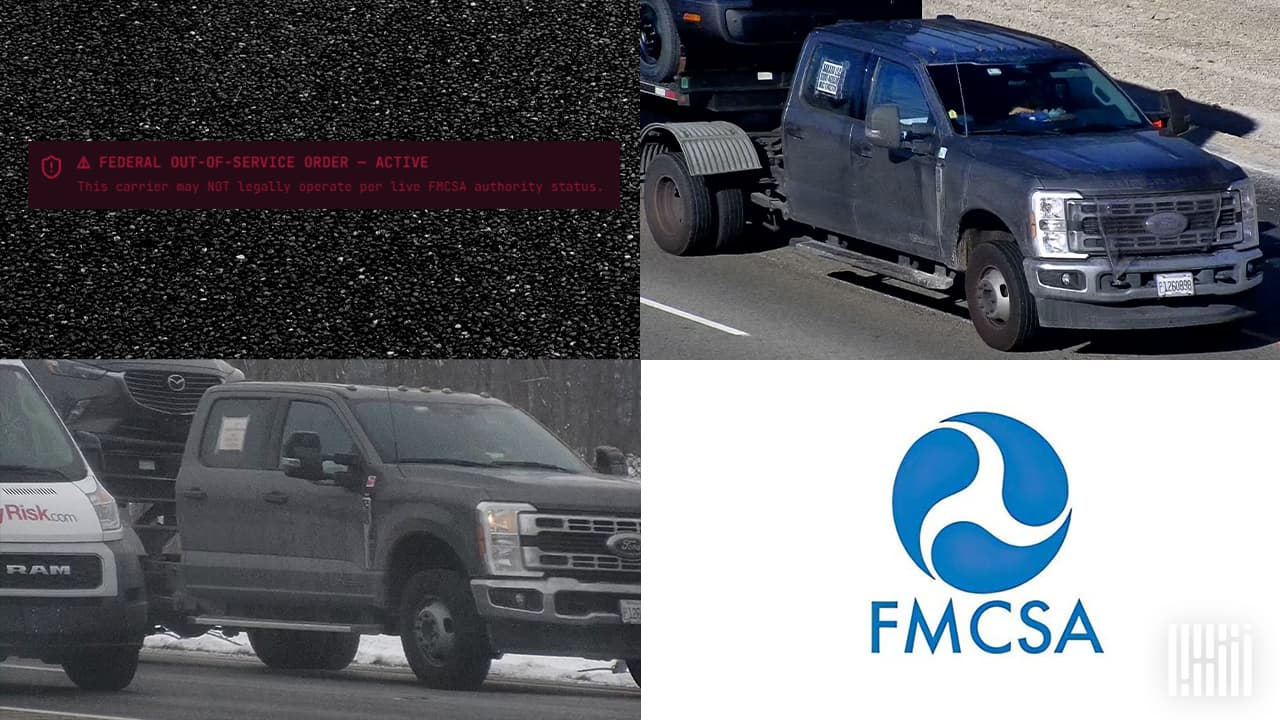
Hotshot trucking—which handles time-sensitive, smaller freight loads—operates with significantly fewer inspection requirements than traditional long-haul operations. This regulatory gap has created an attractive runway for operators who might not meet the stricter standards applied to interstate commerce. The smaller vehicle sizes and reduced insurance obligations further lower barriers to entry in these segments.
For Boston-area businesses relying on hotshot services for just-in-time deliveries or auto transport logistics, this migration of marginal operators presents potential risks. Companies may face exposure to underinsured carriers or operators operating below safety standards, particularly if due diligence on carrier backgrounds isn't thorough during vendor selection.
The trend underscores a broader challenge in transportation regulation: enforcement efforts in one segment can displace problem operators rather than eliminate them. Industry stakeholders and shippers should remain vigilant about carrier qualification standards, particularly in faster-growing segments where oversight may lag behind traditional trucking enforcement.