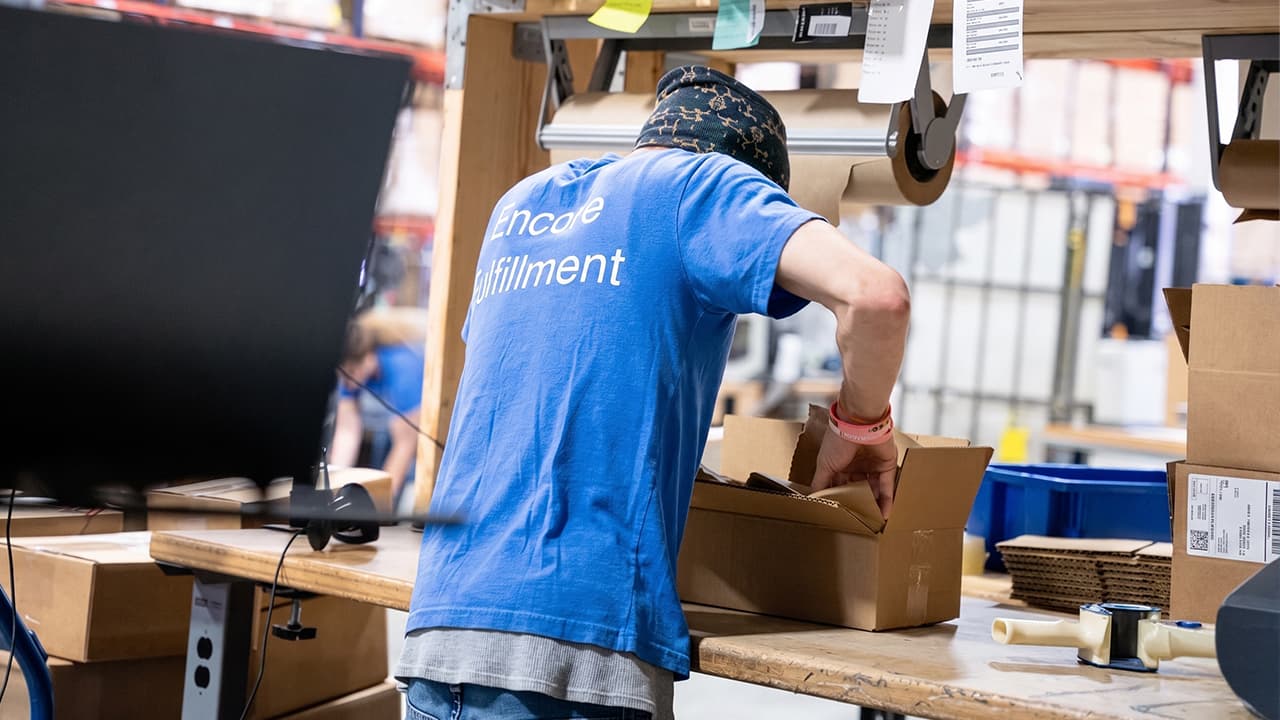
Photo via FreightWaves
FedEx Corp. completed a significant corporate restructuring this week, spinning off its Freight division and consolidating its Express and Ground operations. The move marks an opportune moment to reflect on a pivotal acquisition that reshaped the company's trajectory decades earlier: the $2.4 billion purchase of Regional Parcel Service (RPS).
According to FreightWaves commentary, FedEx would occupy a distant third position in the U.S. parcel market without the RPS acquisition. The deal fundamentally altered the company's competitive standing, transforming it from a regional express carrier into a dominant force capable of competing directly with UPS and USPS across multiple service tiers.
For Boston-area logistics professionals and supply chain executives, the RPS case study offers valuable lessons about transformational M&A strategy. The acquisition demonstrated how integrating complementary networks—combining FedEx's express capabilities with RPS's ground infrastructure—could create competitive advantages impossible to achieve through organic growth alone.
The enduring success of the RPS integration stands as a testament to effective post-acquisition strategy, making it arguably the most successful outcome in modern transportation startup history. As New England's business community watches FedEx navigate its latest restructuring, the RPS precedent reminds executives that strategic acquisitions can fundamentally reposition companies for decades of market leadership.