Photo via FreightWaves
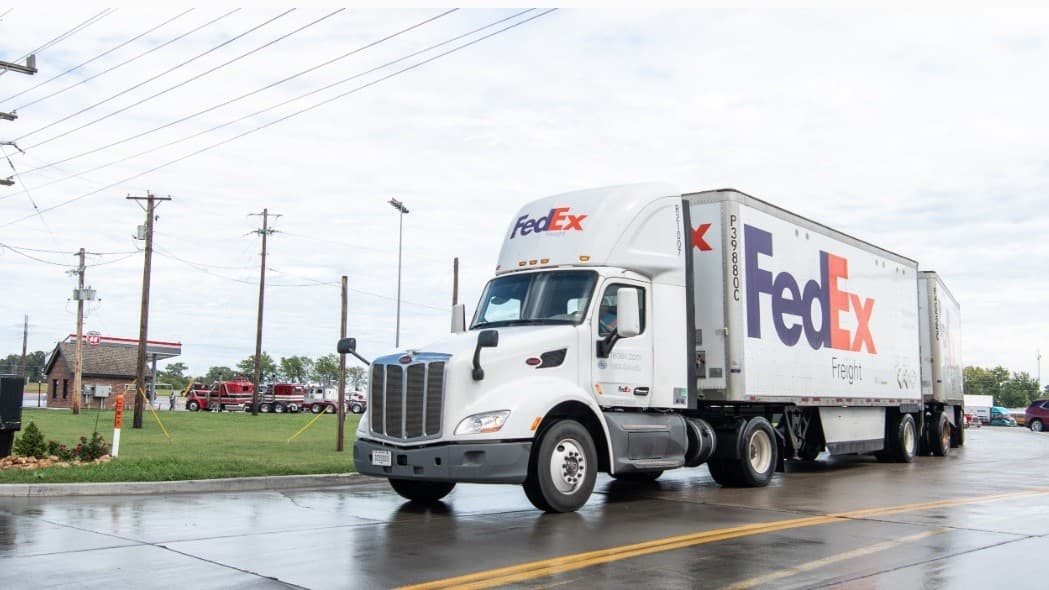
FedEx Freight, long operating as a subsidiary within the broader FedEx Corporation, officially launched as an independent, publicly traded company this week. The separation marks a major milestone in the logistics sector, as the company charts its own course as a standalone less-than-truckload (LTL) carrier.
For Boston-area manufacturers, retailers, and distribution companies that rely on regional freight networks, this development carries potential implications. As the nation's largest LTL provider, FedEx Freight's independence could influence pricing, service offerings, and competitive dynamics in New England's transportation sector.
The spinoff reflects broader trends in the logistics industry, where companies are increasingly focused on specialized operations. By separating from FedEx's integrated global network, FedEx Freight can now make independent decisions about fleet management, technology investments, and regional service strategies that may be tailored more directly to LTL market demands.
Boston-based businesses that depend on reliable freight services should monitor how the newly independent FedEx Freight evolves its service model and pricing structure. The separation may create competitive opportunities for other regional carriers while potentially offering FedEx Freight customers more direct influence over the company's operational direction.