Photo via FreightWaves
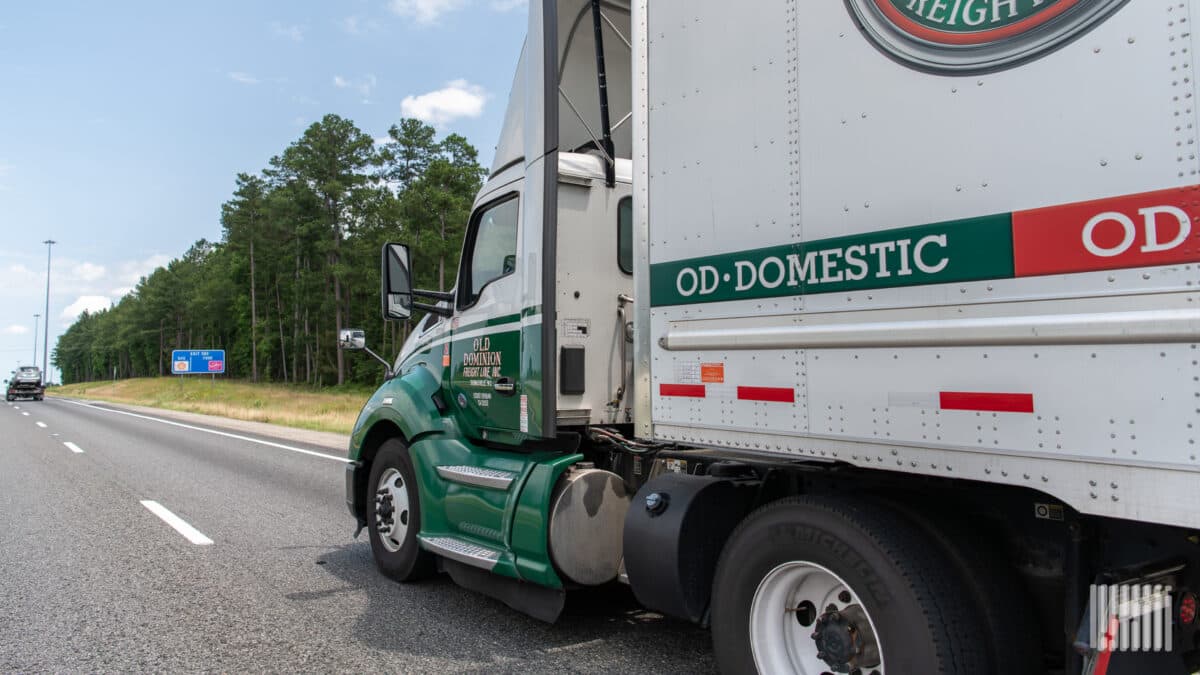
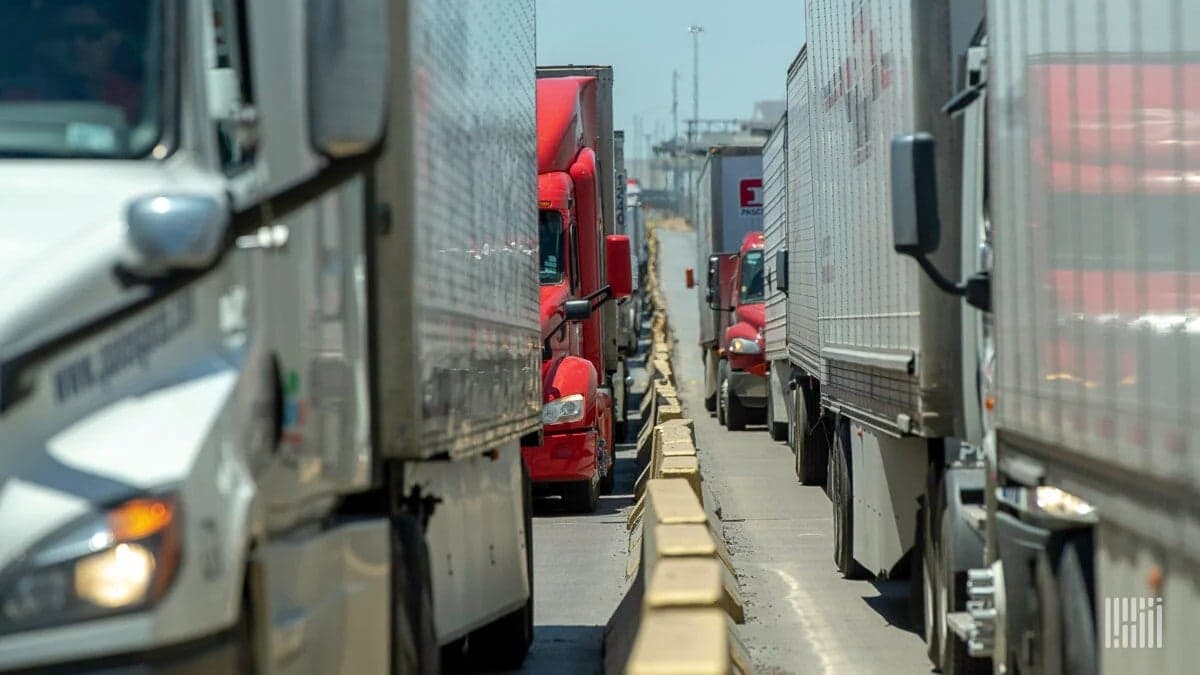
Federal authorities are intensifying enforcement efforts aimed at the transportation industry. According to FreightWaves, the U.S. Border Patrol arrested 36 truck drivers during a five-day operation in Arizona, marking a significant show of force in immigration-related workplace enforcement.
The operation underscores a broader shift toward scrutinizing the employment practices and documentation standards within the commercial trucking sector. The focus on drivers' immigration and licensing status suggests that federal agencies are prioritizing compliance verification across state lines, potentially setting a precedent for similar enforcement actions elsewhere.
For Boston-area logistics companies and freight carriers, this development carries operational implications. Trucking firms that rely on regional and cross-country transportation networks may need to review their hiring verification processes, driver documentation, and compliance protocols to avoid potential disruptions or legal exposure.
Industry observers expect this trend to continue as federal agencies coordinate immigration enforcement with transportation safety oversight. Companies in New England's logistics and supply chain sectors should consider this enforcement activity when evaluating their hiring practices, documentation requirements, and regulatory compliance strategies going forward.