Photo via FreightWaves
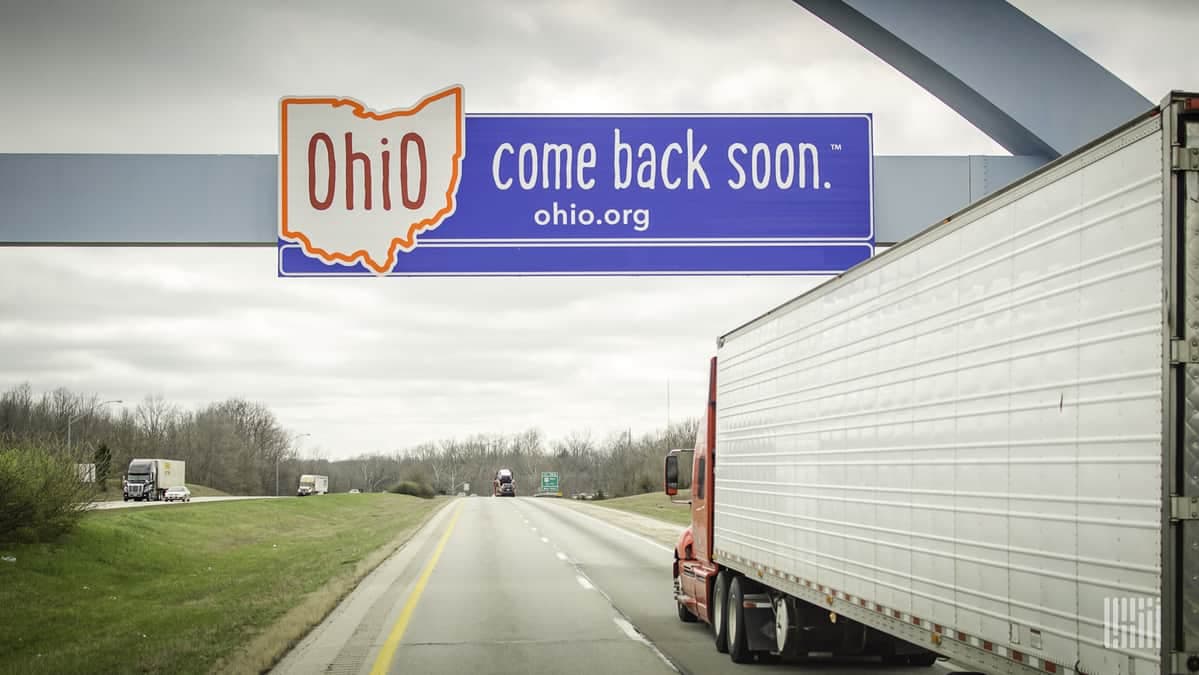
According to FreightWaves, Ohio is undertaking a comprehensive review of approximately 5,000 commercial driver licenses held by non-domiciled drivers, marking the state's contribution to a broader federal compliance initiative. This action reflects heightened scrutiny of Commercial Driver License (CDL) standards across the country, with regulators focusing on ensuring that out-of-state and foreign drivers meet baseline safety and qualification requirements.
For Boston-area logistics and trucking companies, this regulatory shift carries immediate implications. Many Northeast freight operations rely on a geographically diverse driver workforce, including drivers licensed in other states or operating across state lines. The compliance crackdown suggests that federal and state agencies are tightening verification procedures, potentially affecting hiring timelines and driver eligibility documentation for regional carriers.
The nationwide effort appears designed to close gaps in CDL oversight that may have allowed unqualified drivers to operate commercial vehicles. Massachusetts and other New England states may follow Ohio's lead with their own license reviews, prompting local transportation firms to audit their driver qualification files and ensure full compliance with federal standards ahead of any state-level initiatives.
Business leaders in Boston's logistics sector should monitor developments from the Federal Motor Carrier Safety Administration (FMCSA) and state transportation departments. Companies operating interstate routes or employing nonresident drivers may need to strengthen compliance infrastructure now to avoid operational disruptions or potential penalties as regulators intensify their oversight efforts.