Photo via FreightWaves
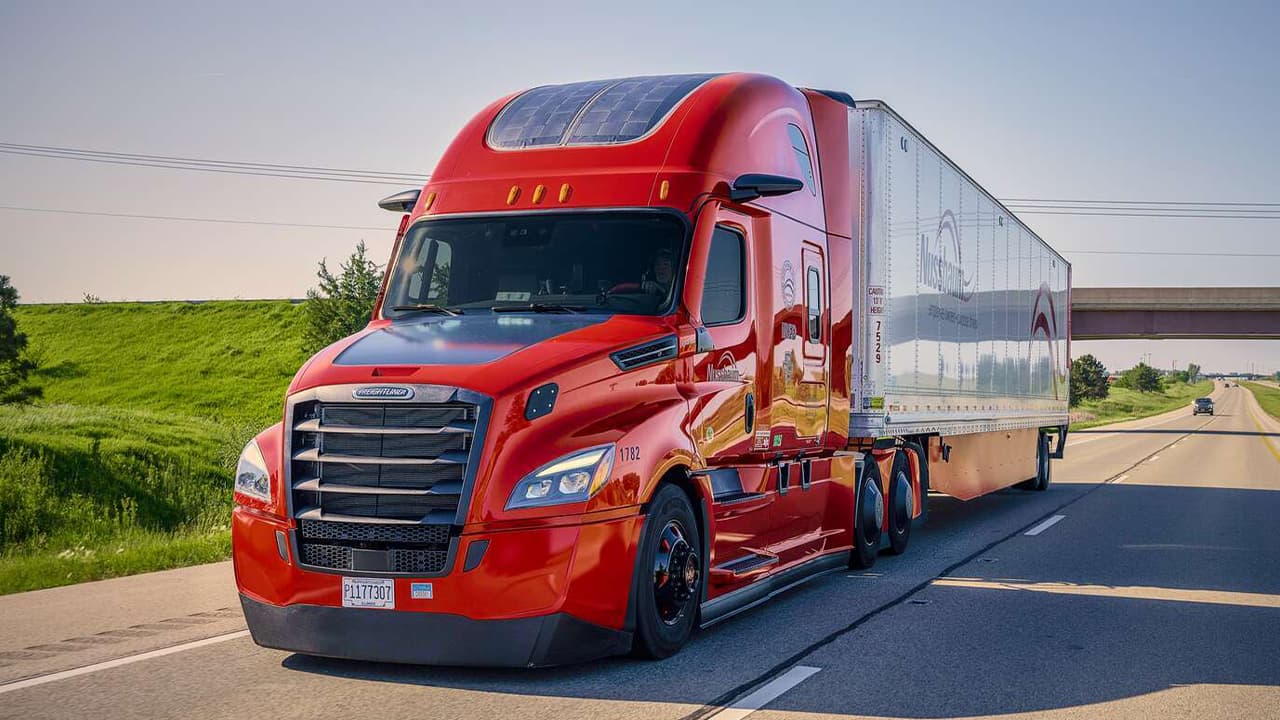
The trucking industry is facing mounting pressure to attract and retain drivers, with carriers beginning to announce wage increases in response to persistent talent shortages. According to FreightWaves, carrier Nussbaum's public announcement of driver pay raises may be the tip of the iceberg, with other companies quietly implementing similar strategies to remain competitive in a challenging labor market.
For Boston-area businesses reliant on regional logistics networks, these wage increases could have meaningful implications. Trucking costs factor directly into supply chain expenses, and rising driver compensation may eventually translate to higher transportation fees for manufacturers, retailers, and e-commerce operators across New England.
The shift reflects a broader industry reckoning: driver shortages have plagued trucking for years, but the situation appears to be reaching a tipping point where public salary competition signals genuine market pressure. Companies that have historically kept compensation levels relatively flat now find themselves forced to offer more attractive packages to fill open positions.
Boston-based logistics and supply chain executives should monitor this trend closely. As wages climb across the carrier industry, companies may need to reassess their transportation budgets and supplier contracts. This could particularly impact small to mid-sized regional distributors and manufacturers that depend on cost-effective trucking partnerships.