Photo via FreightWaves
Drive along Interstate 93 or Route 128 and you'll spot them: commercial trucks displaying company names in hastily scrawled black marker, USDOT numbers barely legible, and magnetic signs peeling away from doors. According to FreightWaves, these informal marking practices are increasingly common—but they violate federal transportation regulations that Boston-area logistics and freight companies need to understand.
The Department of Transportation's 49 CFR 390.21 establishes specific requirements for how commercial motor vehicles must display company identification and regulatory information. The regulation mandates professional, permanent, legible markings that meet precise size, color, and placement standards. Black marker on truck doors, handwritten digits, and deteriorating decals fall short of these requirements, creating potential liability for carriers operating in the Northeast corridor.
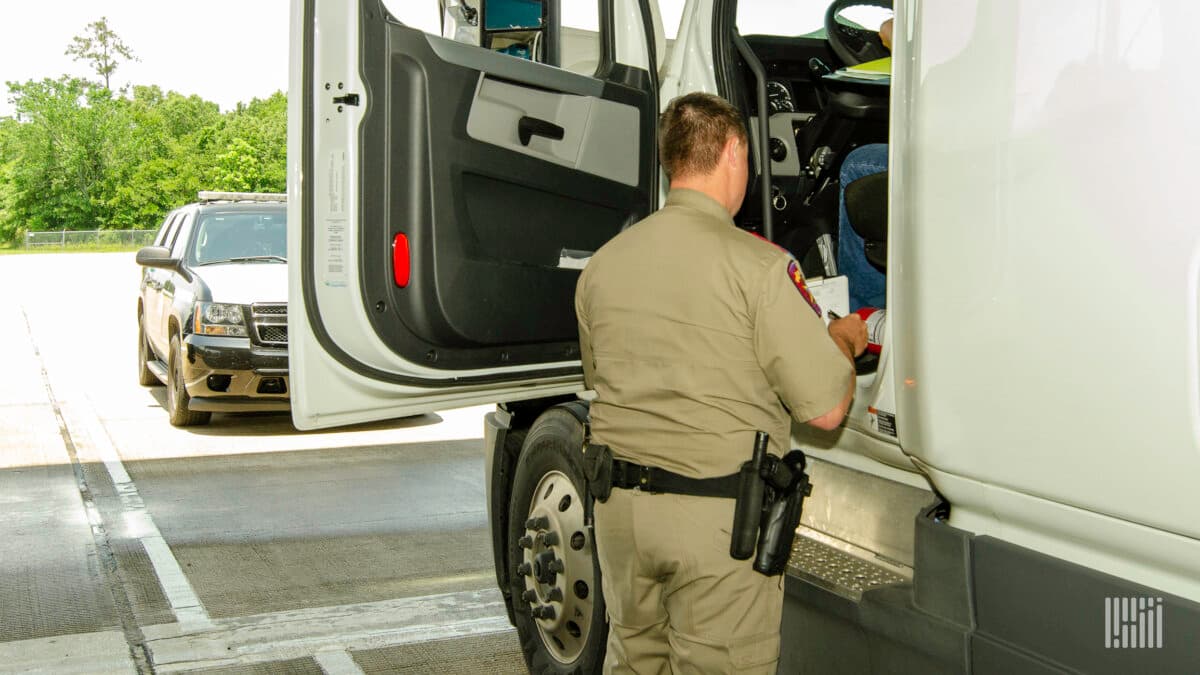
For Boston-based transportation companies and logistics providers, compliance failures can trigger costly fines during roadside inspections by state and federal authorities. Beyond penalties, improper vehicle markings can damage company reputation and create liability concerns. As the region's logistics industry continues to expand—particularly in and around the Boston metropolitan area—ensuring proper DOT compliance has become essential for maintaining operational credibility.
Companies serious about regulatory compliance should audit their fleet signage now, investing in professional permanent markings that meet federal standards. This proactive approach protects Boston-area carriers from enforcement action while reinforcing their commitment to professional operations and public safety on regional highways.