Photo via FreightWaves
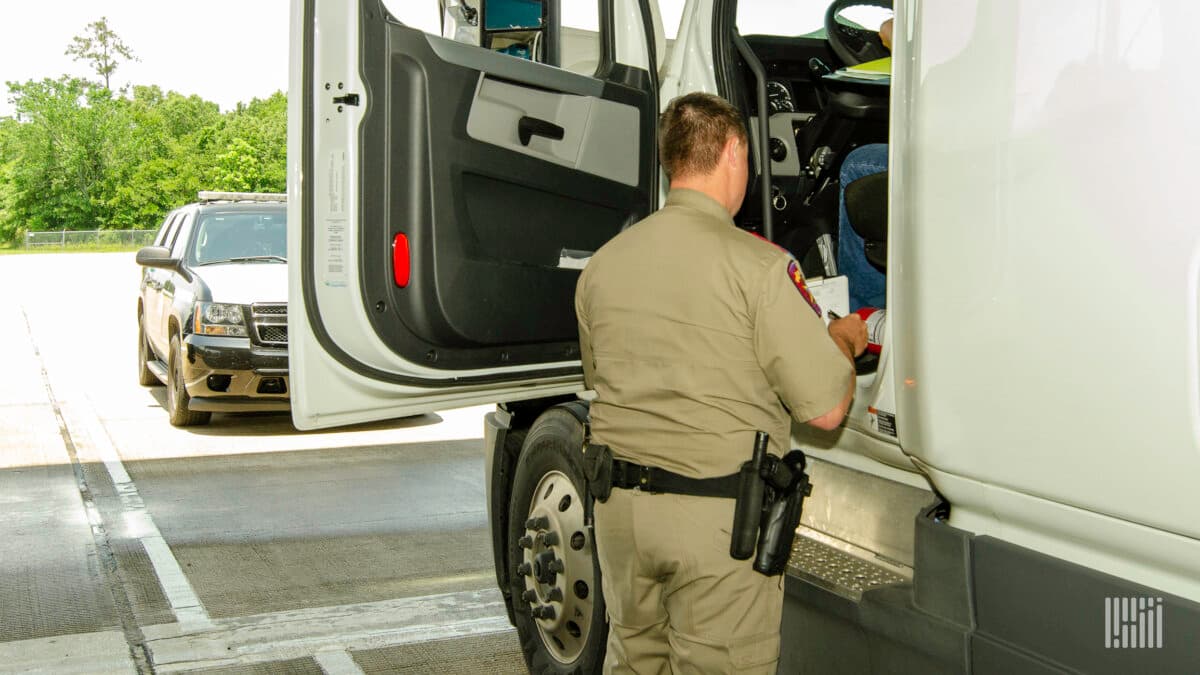
According to FreightWaves, a new era of enforcement is unfolding in the trucking industry as law enforcement agencies leverage roadside camera networks and automated license plate readers to verify driver compliance. The technology allows officers to reconstruct multi-state routes in real time, comparing actual travel patterns against paper logs and electronic logbooks to identify discrepancies that might indicate violations of hours-of-service regulations.
For Boston-area logistics companies and carriers operating along the Northeast Corridor, this technological shift carries significant operational implications. Trucking firms managing routes between Boston, New York, and beyond will need to ensure their drivers maintain accurate records and comply strictly with federal regulations, as the margin for error—whether intentional or accidental—continues to narrow with improved surveillance infrastructure.
The enforcement trend reflects broader industry pressure to enhance safety and accountability in commercial trucking. Digital monitoring systems provide objective, verifiable data that can be presented to drivers and companies as evidence, reducing disputes over compliance and creating a clearer standard for what constitutes a violation.
Boston-based logistics and supply chain companies should monitor how these enforcement changes evolve and consider proactive compliance measures. Early adoption of electronic logbooks, driver training programs focused on accurate record-keeping, and route management software can help regional carriers stay ahead of regulatory expectations and avoid costly penalties.