Photo via FreightWaves
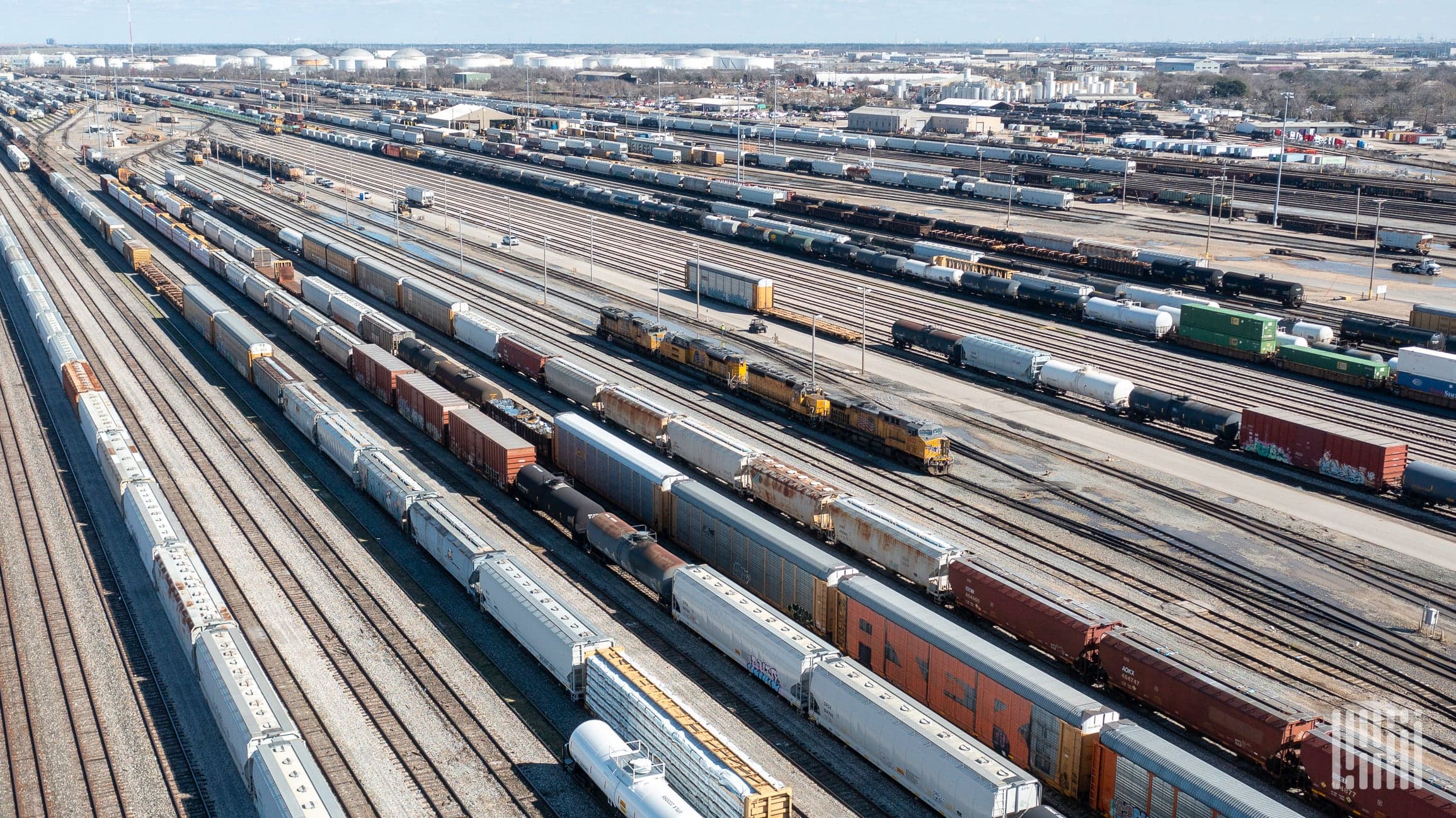
According to FreightWaves, U.S. rail freight volumes are experiencing robust expansion, driven in large part by increased intermodal traffic—the combination of truck and rail transportation. This growth reflects improving industrial output across American manufacturing and distribution sectors, suggesting a healthier freight market than seen in recent periods.
The intermodal category is particularly significant for logistics operators across the Northeast. Boston-area companies that rely on efficient freight movement between ports, warehouses, and distribution centers benefit from the improved rail capacity and connectivity that intermodal solutions provide. The Port of Boston and surrounding regional hubs have become increasingly reliant on intermodal networks to move goods efficiently inland.
For New England shippers and freight forwarders, the expansion of rail-based intermodal services represents an opportunity to reduce transportation costs and environmental impact compared to truck-only logistics. As industrial activity strengthens, companies are increasingly turning to these hybrid solutions to manage capacity constraints and optimize their supply chains during periods of elevated demand.
The momentum in rail freight growth underscores a broader trend in the transportation and logistics sector: businesses are diversifying their freight strategies to build resilience and efficiency. For Boston-area logistics providers and manufacturers, staying attuned to these industry-wide shifts is essential for competitive positioning and operational planning in 2024 and beyond.