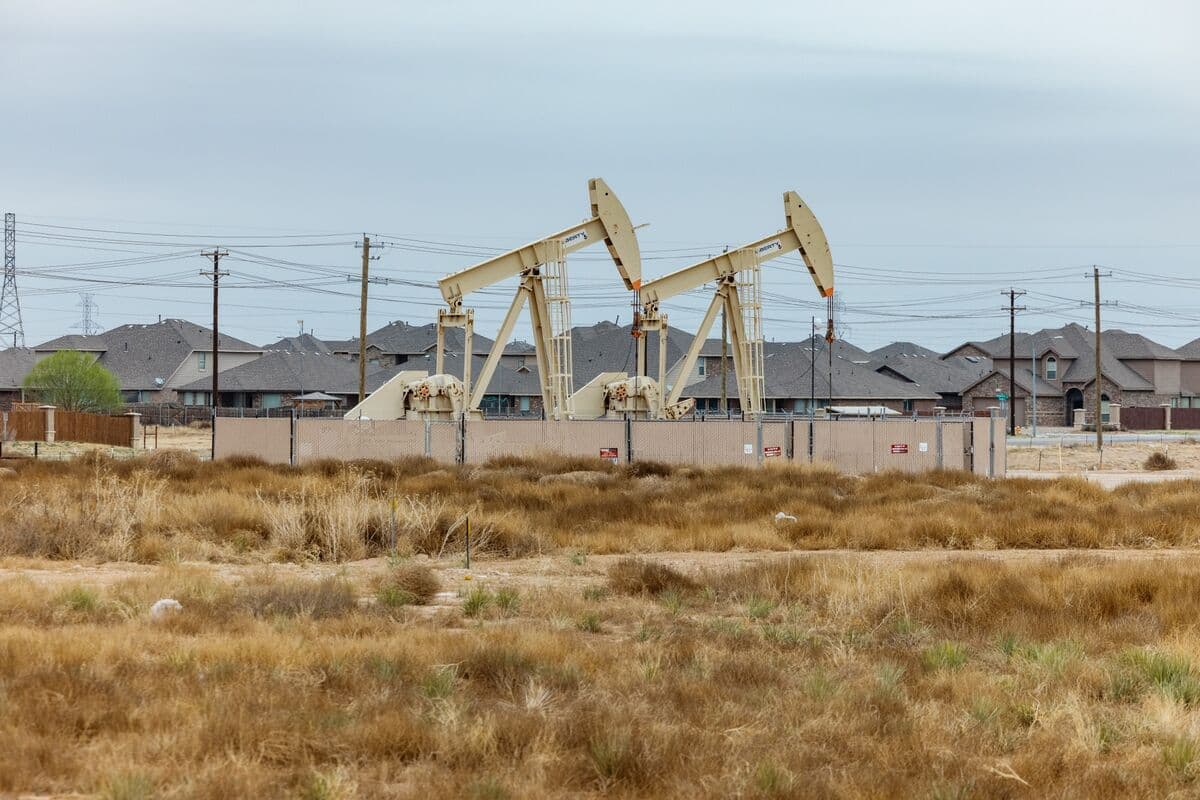
As Boston's technology sector continues to expand, a new study from Arizona State University highlights an often-overlooked environmental consequence of data center proliferation: localized temperature increases in neighboring residential areas. The research demonstrates that data centers don't just consume enormous amounts of electricity—they also expel significant waste heat into surrounding neighborhoods, fundamentally altering microclimates in ways that can persist for years.
According to the ASU findings, the problem intensifies through a vicious cycle. When data centers raise ambient temperatures even slightly—by as little as one degree—residents and businesses in nearby areas respond by running air conditioning more frequently. This increased cooling demand generates additional heat that radiates back into the environment, creating what researchers call a feedback loop that compounds the original temperature elevation.
For Boston-area stakeholders, this research carries particular relevance as the region positions itself as a major hub for cloud computing, artificial intelligence, and digital infrastructure. Communities near existing or planned data center facilities should consider these thermal effects when evaluating projects' true neighborhood impact, potentially requiring new environmental review standards and mitigation strategies.
The findings suggest that data center siting decisions require more sophisticated analysis than traditional energy-use assessments. Boston policymakers and real estate developers may need to factor in neighborhood-level climate impacts and cooling costs when approving large facilities, ensuring that the benefits of technological growth don't disproportionately burden nearby residents through elevated energy bills and heat exposure.