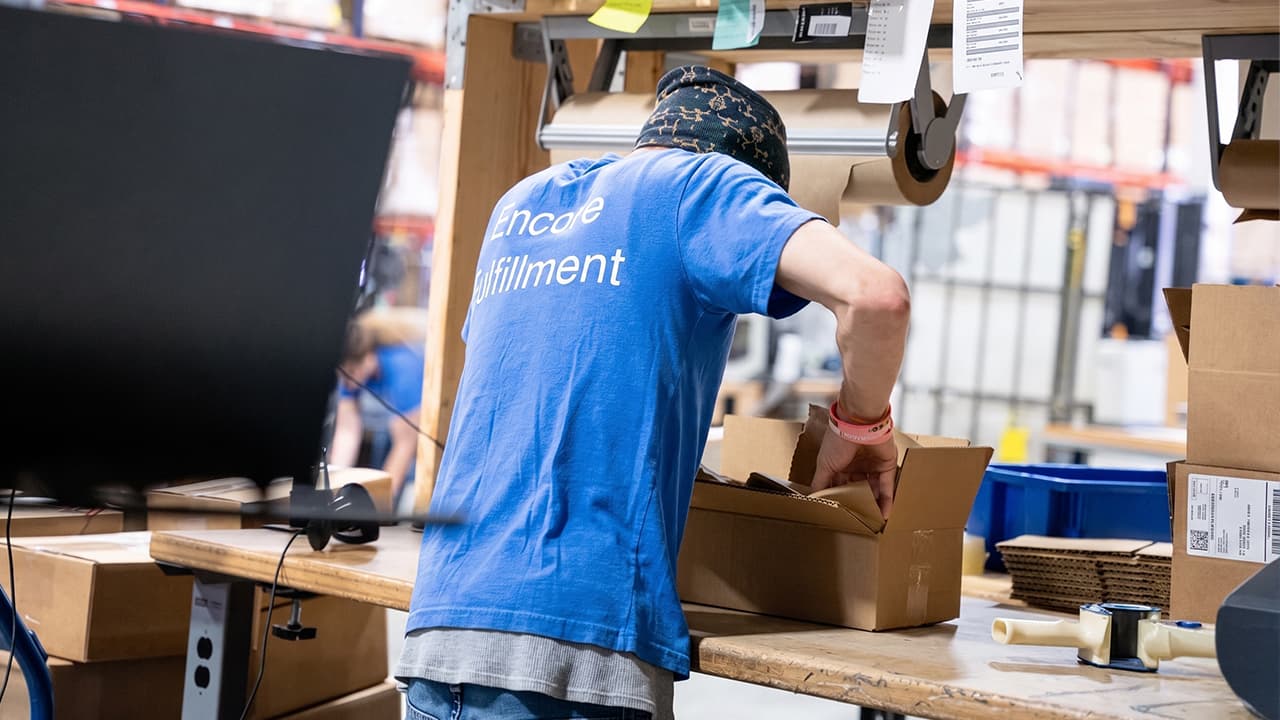
Photo via FreightWaves
Cargo theft has evolved from a localized logistics problem into a widespread issue commanding congressional attention and law enforcement resources. According to FreightWaves, recent investigations have connected theft rings to organized criminal networks, prompting industry leaders to testify before Congress about the scope and severity of the problem.
For Boston-area businesses dependent on reliable supply chains, the implications are significant. The Port of Boston and regional distribution networks face increased vulnerability, which can drive up insurance costs, delay shipments, and ultimately affect pricing for local retailers and manufacturers who depend on timely freight delivery.
The cargo theft crisis extends beyond the transportation sector alone. When high-value goods—including pharmaceuticals, electronics, and consumer products—are stolen during transit, the costs are absorbed throughout the supply chain and passed on to consumers in the form of higher prices and reduced product availability.
As cargo theft increasingly involves sophisticated criminal organizations, stakeholders across industries are calling for coordinated solutions. For New England businesses, staying informed about supply chain vulnerabilities and industry best practices has become essential to protecting operations and maintaining competitive advantage in an increasingly complex logistics environment.