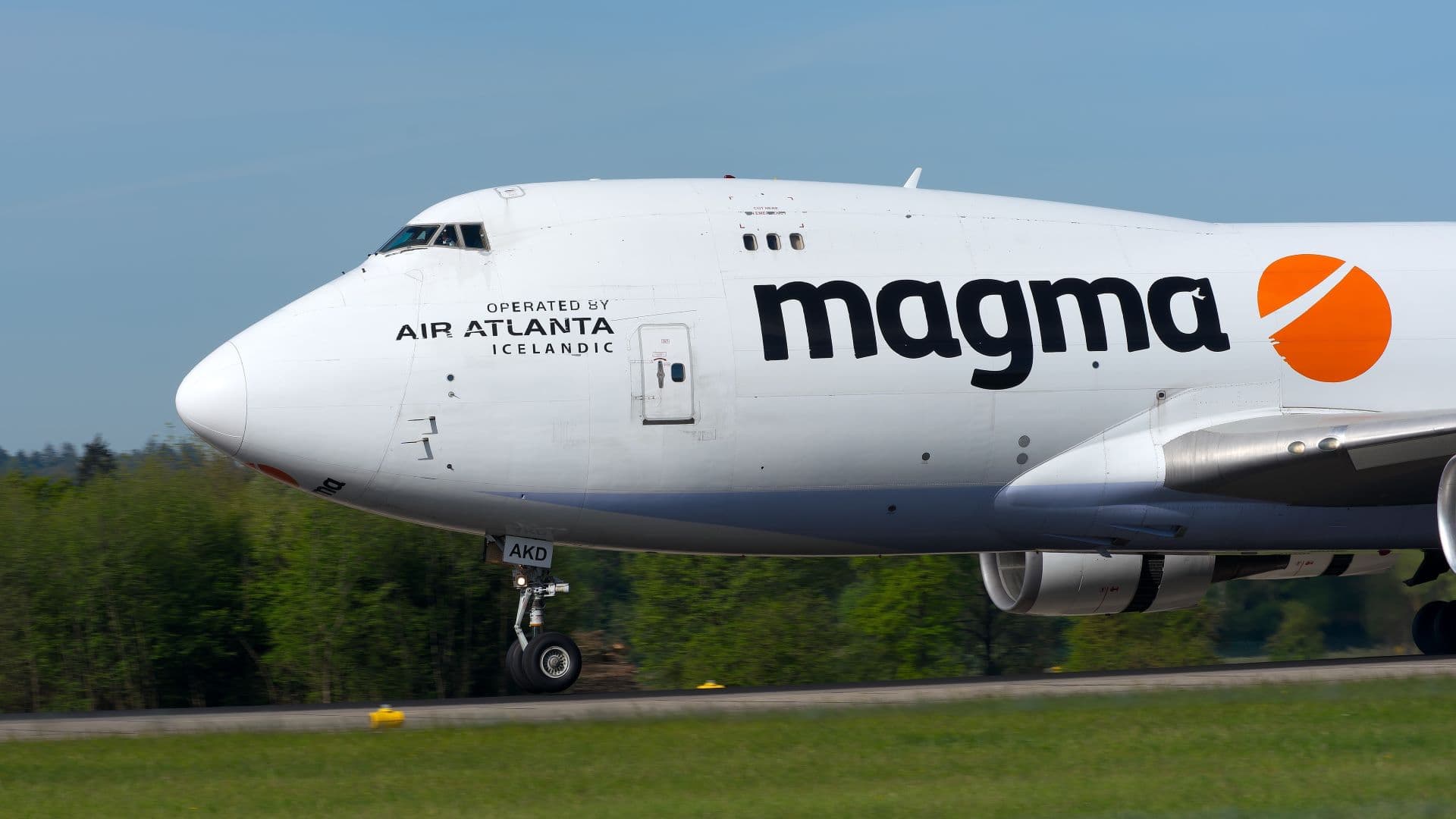
Photo via FreightWaves
Atlas Air, a major player in global air freight, is making a significant investment in the cargo logistics sector through a planned acquisition of 49% equity stake in Air Atlanta, according to FreightWaves. The deal also includes the purchase of Air Atlanta's aircraft fleet, which will continue operating under Air Atlanta's management through a lease-back arrangement.
This move reflects ongoing consolidation in the air freight industry as carriers seek to expand capacity and operational reach. For Boston-area businesses reliant on expedited shipping and cargo services—particularly in the pharmaceutical, biotechnology, and high-tech sectors—such partnerships can enhance supply chain reliability and regional air freight connectivity.
The structure of this deal, wherein Atlas Air acquires the fleet while maintaining Air Atlanta as an operating partner, demonstrates a modern approach to aviation investment. Rather than a full acquisition, the lease-back model allows both companies to leverage their respective strengths while sharing financial and operational risks.
As e-commerce and just-in-time supply chains continue driving demand for air cargo capacity, investments like this one underscore the vital role freight operators play in the broader logistics ecosystem. The expansion could have ripple effects for New England companies dependent on rapid cargo movement to and from regional hubs.