Photo via FreightWaves
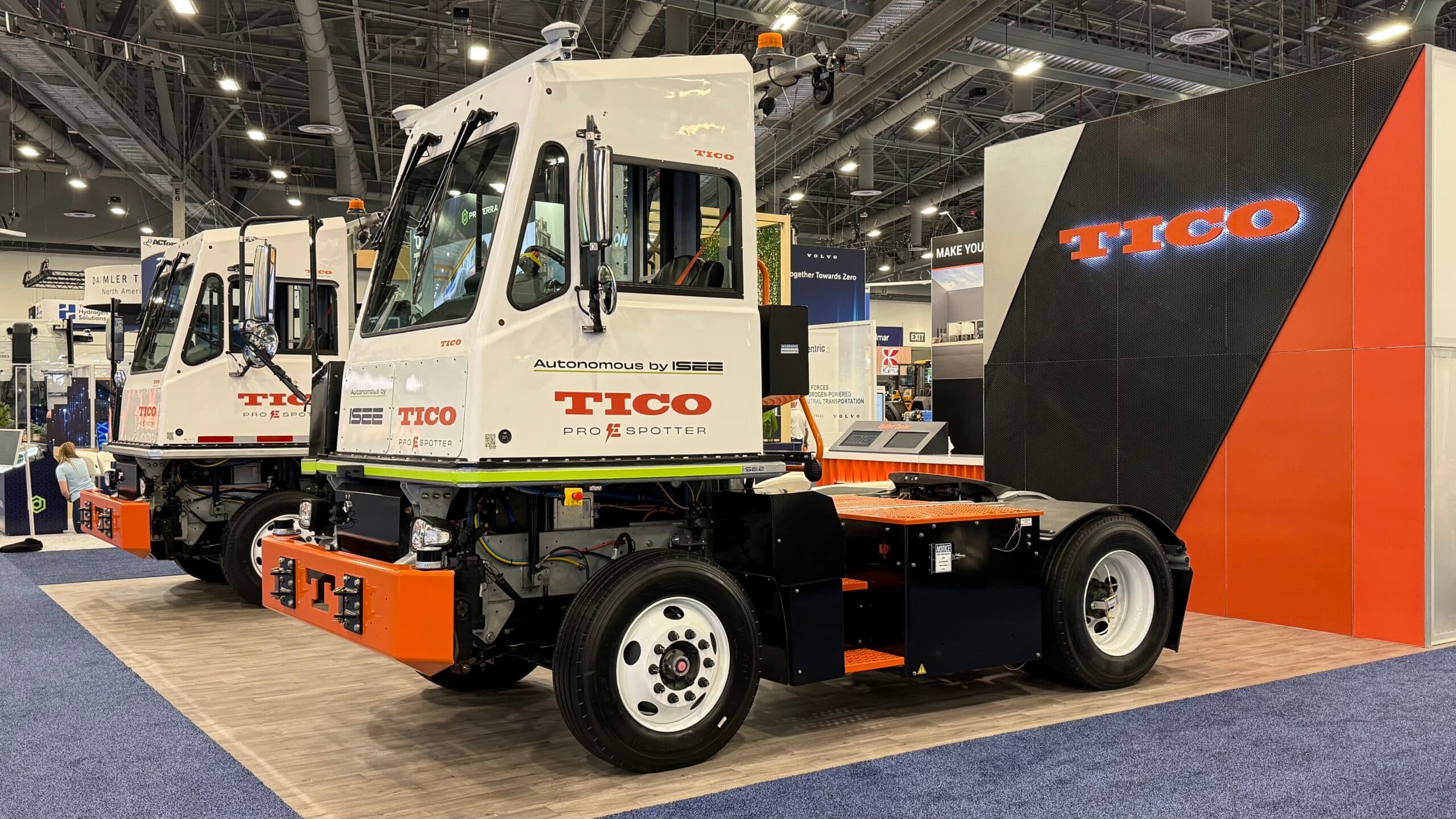
The autonomous trucking industry is shifting its focus from long-haul highways to a more contained—and arguably more achievable—proving ground: private yard operations. According to FreightWaves, companies like ISEE AI and TICO are targeting 2027 for production-ready autonomous yard tractors, a timeline that could have significant implications for Boston-area logistics hubs, particularly around the Port of Boston and regional distribution centers.
Private yards represent a fundamentally different operational environment than open-road autonomous trucking. These controlled spaces—including ports, warehouses, and manufacturing facilities—offer predictable routes, limited external variables, and well-defined safety parameters. For Northeast businesses managing complex supply chains, this development could address longstanding yard congestion and labor constraints that have plagued the region's logistics sector.
The pathway to commercialization appears to be accelerating, with companies developing Gen-7 autonomous systems and establishing closed safety cases that regulators appear willing to approve. These technological and regulatory milestones are expected to unlock hundreds of truck orders in the near term, signaling that autonomous yard operations are transitioning from experimental stage to near-market reality.
For Boston-area companies in retail, manufacturing, and import-export businesses, this shift could reshape supply chain economics. Autonomous yard tractors could reduce operational costs, improve safety records, and free up labor for higher-value tasks. As these systems move toward deployment, local logistics providers and port operators will need to evaluate integration strategies and potential workforce impacts.