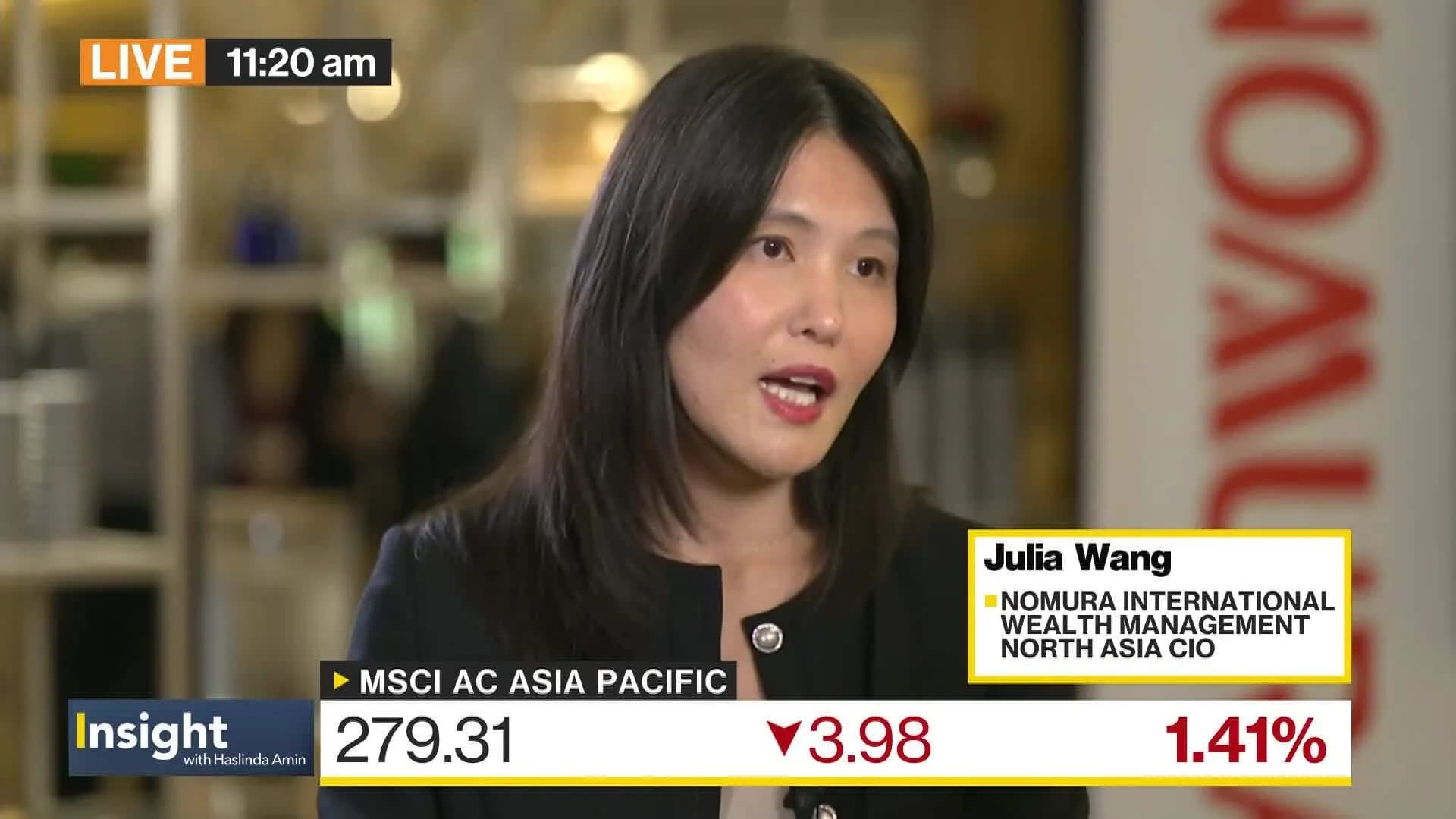
Photo via Bloomberg Markets
Geopolitical instability in the Middle East is forcing Southeast Asian nations to reassess their economic vulnerabilities, particularly around food and energy supplies. According to Bloomberg Markets, Asean Secretary-General Kao Kim Hourn characterized the regional conflict as a critical reminder that the bloc must strengthen its collective resilience across multiple sectors. The warning comes as global supply chains face renewed pressure from international tensions.
For Boston-area businesses with supply chains rooted in Southeast Asia, the Asean secretary-general's remarks underscore a broader challenge: the region's dependency on global energy markets and agricultural imports creates exposure to geopolitical shocks. Companies in the food import, retail, and logistics sectors—significant players in New England's economy—may need to evaluate alternative sourcing strategies or build greater inventory buffers to mitigate disruption risks.
The call for greater regional cooperation reflects a strategic pivot among Asean members to reduce external dependencies. By working collectively on food security initiatives and energy resilience, Southeast Asian nations aim to create a more stable operating environment for both domestic and international businesses. This shift could reshape trading patterns and create new partnership opportunities for Boston-based firms looking to diversify their Asian operations.
As supply chain vulnerabilities become increasingly tied to geopolitical dynamics, companies across industries—from healthcare and pharmaceuticals to consumer goods—should monitor Asean's policy responses closely. The region's efforts to strengthen internal supply networks may create both challenges and opportunities for New England businesses operating in or sourcing from Southeast Asia.