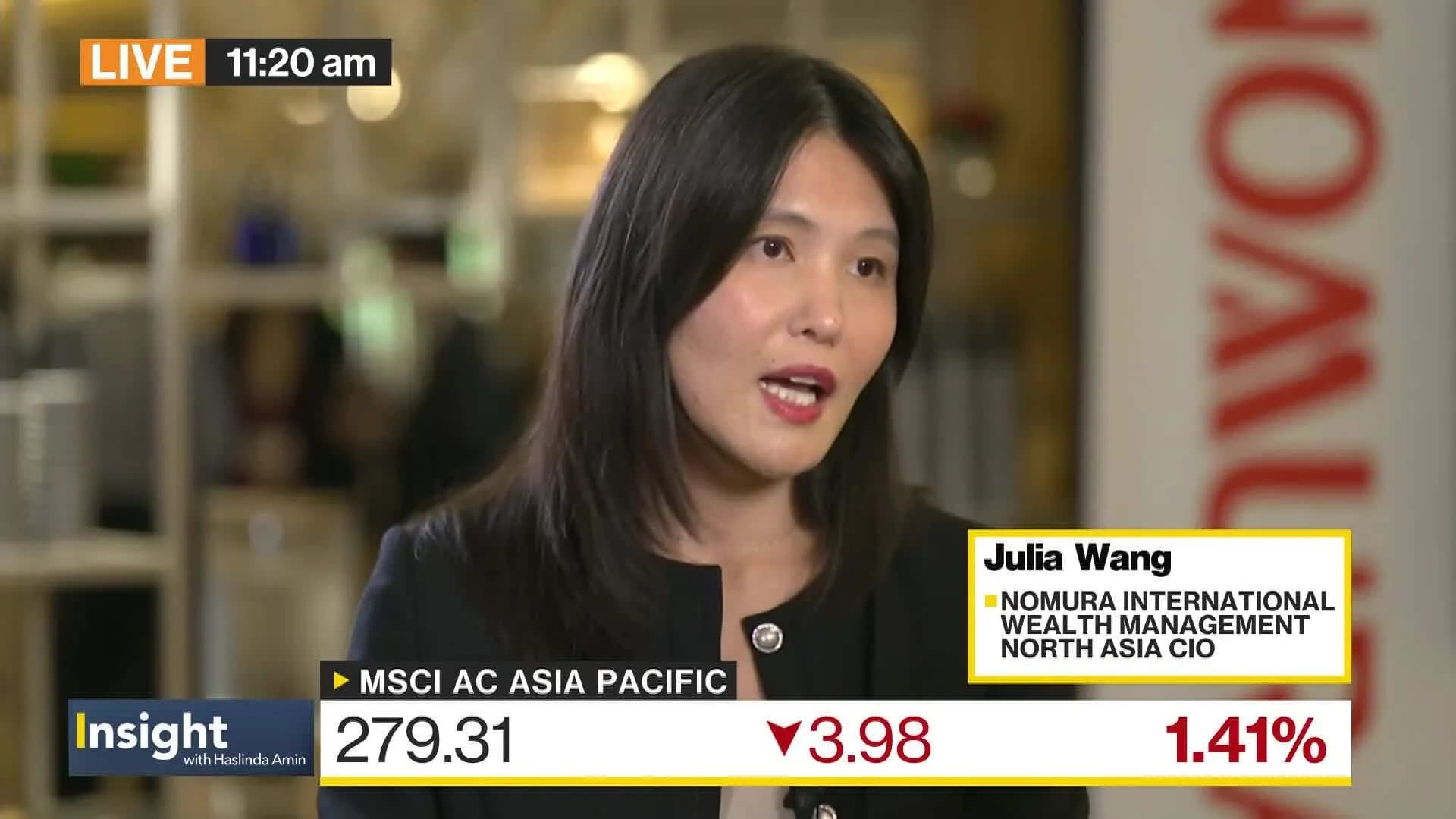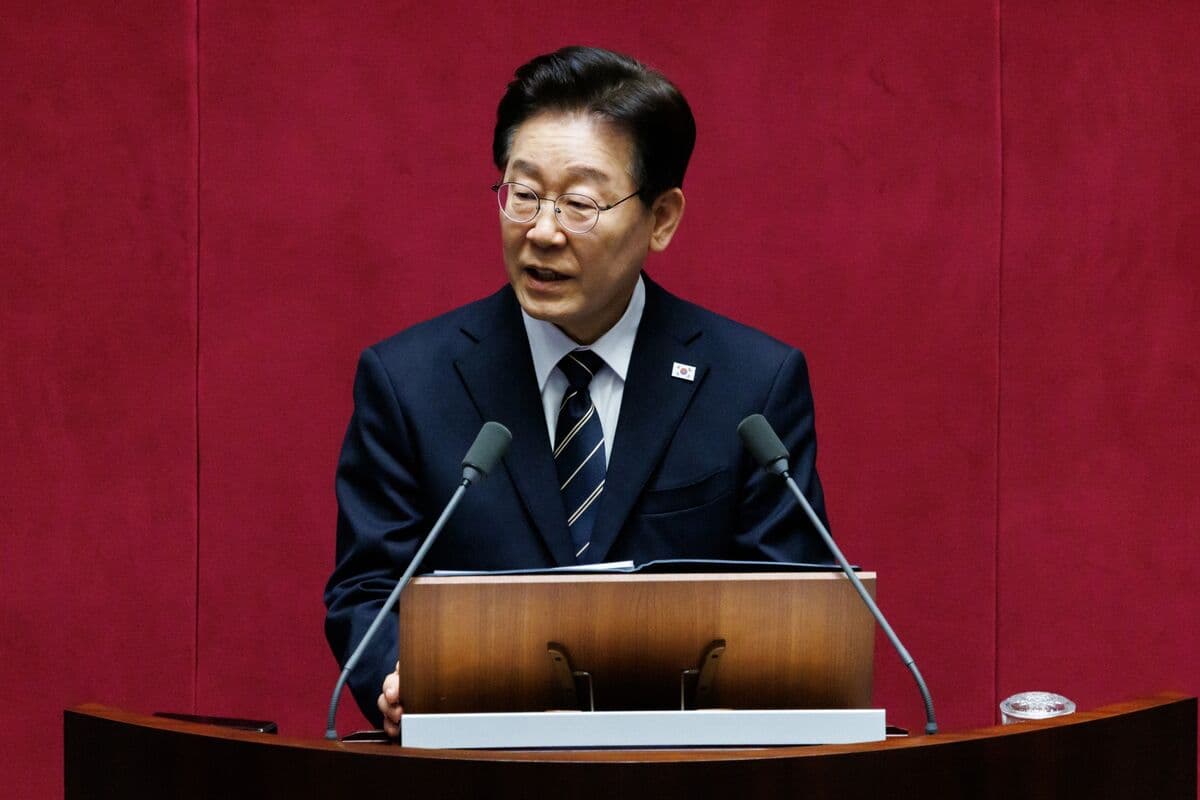
Photo via Bloomberg Markets
According to Bloomberg Markets, South Korea's left-wing party achieved a decisive victory across local elections nationwide, strengthening President Lee Jae Myung's political position and intensifying competition with the conservative opposition. The electoral outcome reshapes the country's political landscape heading into the next national cycle, with implications for regulatory and economic policy.
The party's gains came with a notable caveat: it failed to secure the Seoul mayoral race, suggesting its appeal has geographic and demographic limits. This mixed result reflects the complex political divisions within South Korea's electorate and raises questions about the sustainability of the left-wing momentum in traditionally conservative strongholds.
For Boston-area investors and businesses, South Korea's political realignment warrants attention. The country hosts significant U.S. corporate interests, particularly in technology, semiconductors, and manufacturing. Policy shifts under a strengthened left-wing government could affect trade relations, labor standards, and foreign direct investment frameworks that impact multinational corporations with Korean operations.
The election outcome also carries broader implications for U.S.-Korea relations and regional stability in Northeast Asia. Boston investors with exposure to South Korean markets, technology partnerships, or supply chain dependencies should monitor how the new political momentum translates into concrete policy changes over the coming months.