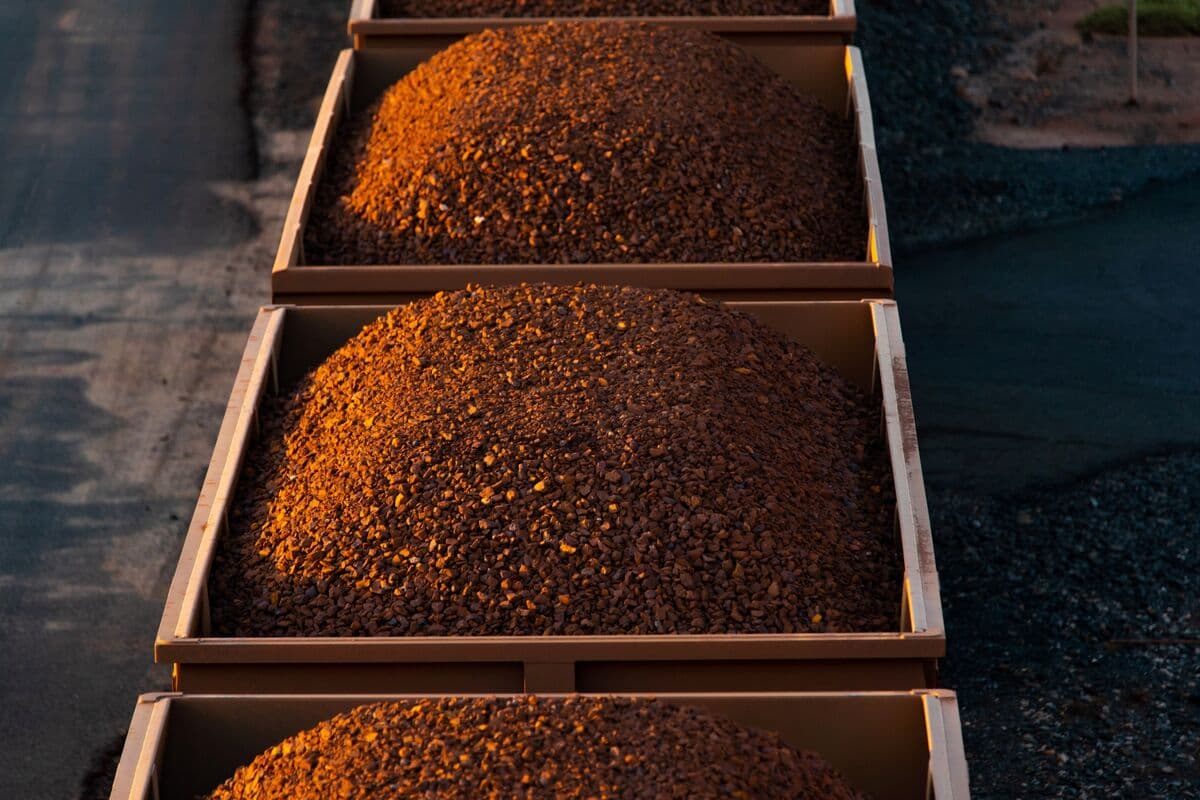
Photo via Bloomberg Markets
Iron ore prices have declined to their lowest levels in two months, according to Bloomberg Markets, as market conditions deteriorate amid oversupply and tepid seasonal demand for steel. The commodity's slide this week underscores growing concerns about global manufacturing activity and construction momentum heading into a typically slower period.
For Boston-area businesses dependent on steel for manufacturing and construction projects, softer iron ore prices could eventually translate to lower input costs—though market lags typically mean immediate relief is unlikely. Regional manufacturers in industrial sectors should monitor commodity trends closely, as steel pricing directly affects project budgeting and supply chain planning.
The supply-demand imbalance driving the decline reflects broader economic headwinds globally. Rising iron ore production has outpaced consumption, creating downward pressure on prices even as producers maintain output levels. This structural oversupply typically persists until either demand strengthens or suppliers voluntarily curtail production.
For New England businesses in construction, automotive, and advanced manufacturing sectors, iron ore's bearish trajectory warrants attention in 2024 planning. While lower raw material costs benefit end users, sustained weakness could signal more cautious business investment across suppliers and downstream industries that rely on steel-intensive operations.