Photo via FreightWaves
The freight and logistics sector is experiencing renewed pressure as companies navigate a challenging economic landscape, according to FreightWaves. Despite some optimistic indicators suggesting market recovery, the industry continues to grapple with structural headwinds that are forcing difficult personnel decisions and, in some cases, complete business failures.
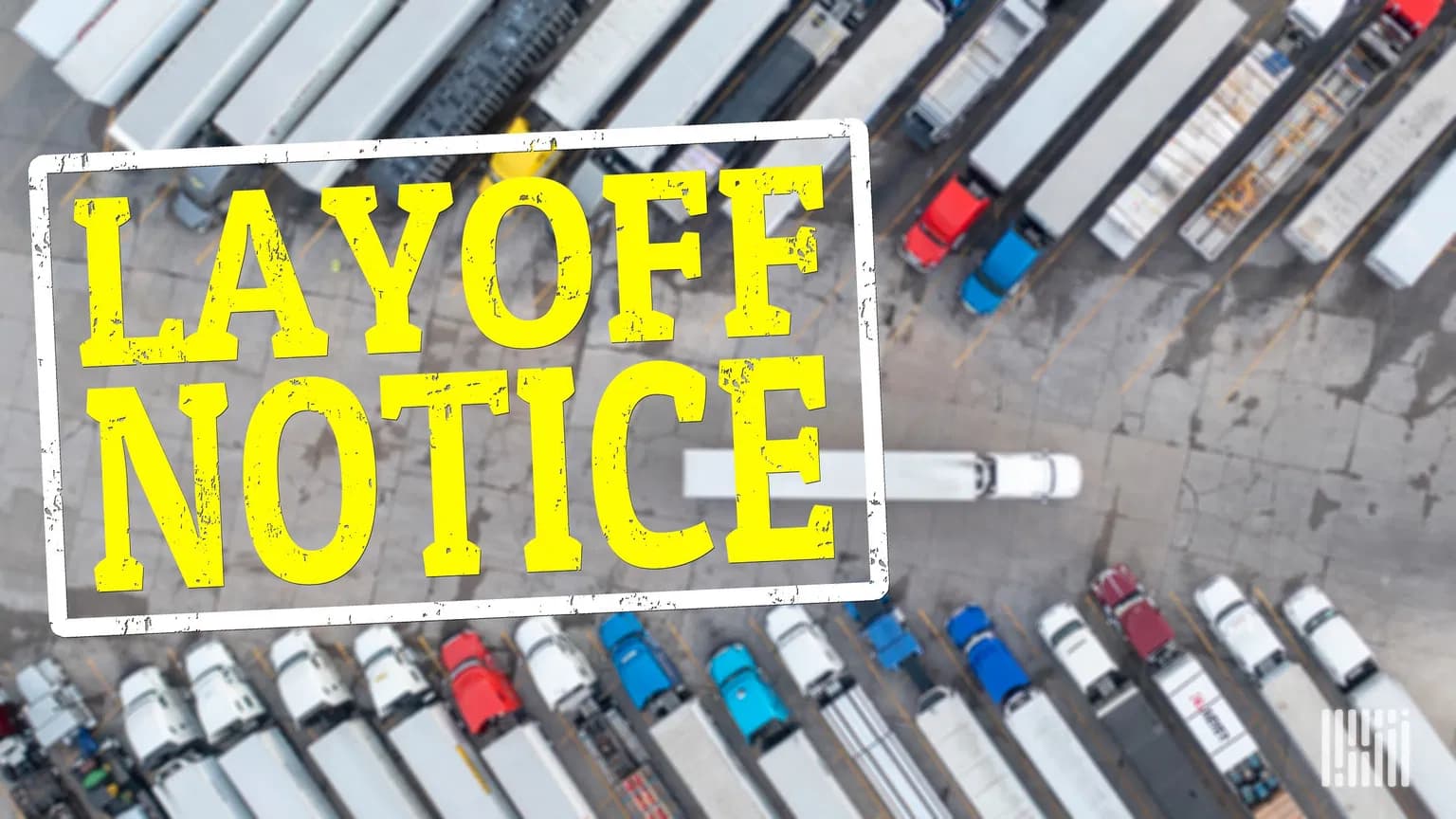
Recent WARN notices and bankruptcy filings reveal the depth of the problem. More than 600 jobs have been eliminated across freight companies as operators struggle with persistently thin profit margins. This pattern suggests that cost pressures—including fuel expenses, driver wages, and equipment maintenance—remain formidable challenges even as freight volumes stabilize.
For Boston-area businesses reliant on trucking and logistics services, these industry disruptions warrant attention. Regional supply chains depend on a stable network of carriers, and consolidation or workforce reductions could affect service availability and pricing in New England markets. Companies should monitor their freight partners' financial health and diversify carrier relationships where possible.
The disconnect between apparent market recovery and ongoing financial distress underscores the competitive pressures reshaping freight transportation. Carriers that cannot adapt to new operational efficiencies or achieve scale advantages face existential challenges, suggesting further consolidation may lie ahead for the industry.