Photo via FreightWaves
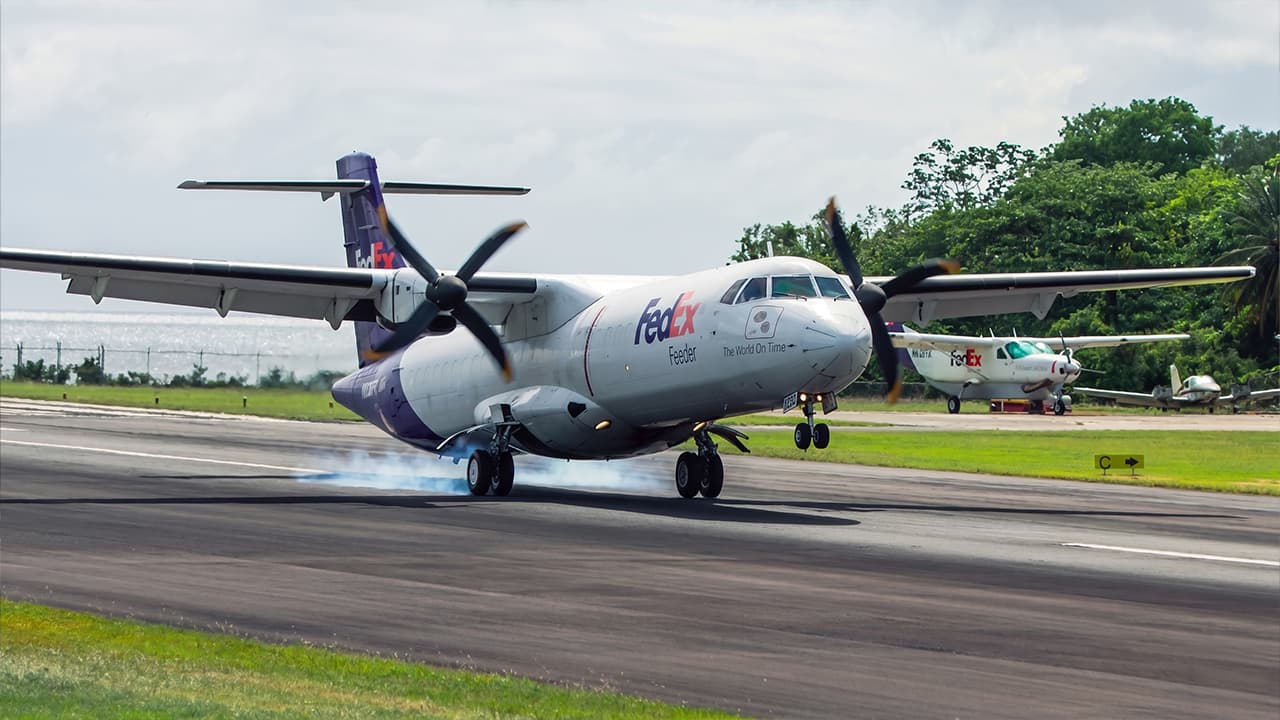
A FedEx air cargo partner is pushing back against Federal Aviation Administration regulations that limit how far certain aircraft can operate over open water, arguing the rules are hampering its ability to serve Caribbean markets efficiently. According to FreightWaves, the contractor wants to deploy larger planes on regional routes but faces compliance barriers under current FAA standards.
The regulatory constraint centers on Extended Twin-Engine Aircraft Operations (ETOPS) rules, which restrict how far twin-engine planes can fly from emergency landing sites. For Caribbean routes that traverse significant stretches of ocean, these limitations force carriers to use smaller, less fuel-efficient aircraft or impose operational constraints that undermine service economics.
Boston-area logistics and supply chain professionals should note this issue as it affects air freight capacity to the Caribbean—a region with significant trade connections to New England businesses in pharmaceuticals, technology, and specialty goods. Reduced cargo capacity or service frequency could impact shipping costs and delivery timelines for companies relying on Caribbean distribution networks.
The contractor is seeking an FAA waiver to operate larger aircraft on these routes, arguing that modern safety systems and maintenance standards support expanded water-distance operations. The outcome could reshape regional cargo capacity and influence shipping costs for New England importers and exporters serving Caribbean markets.