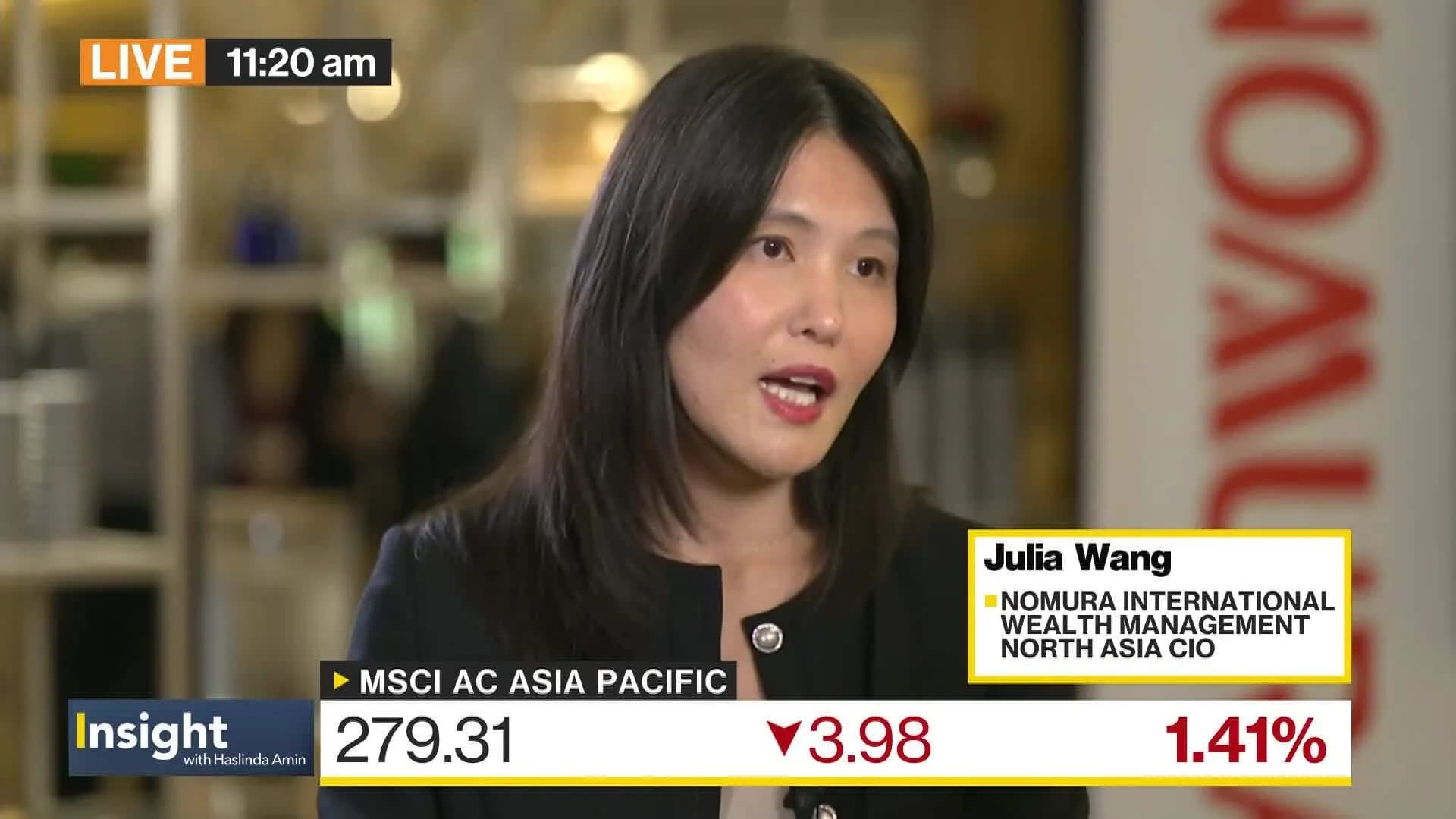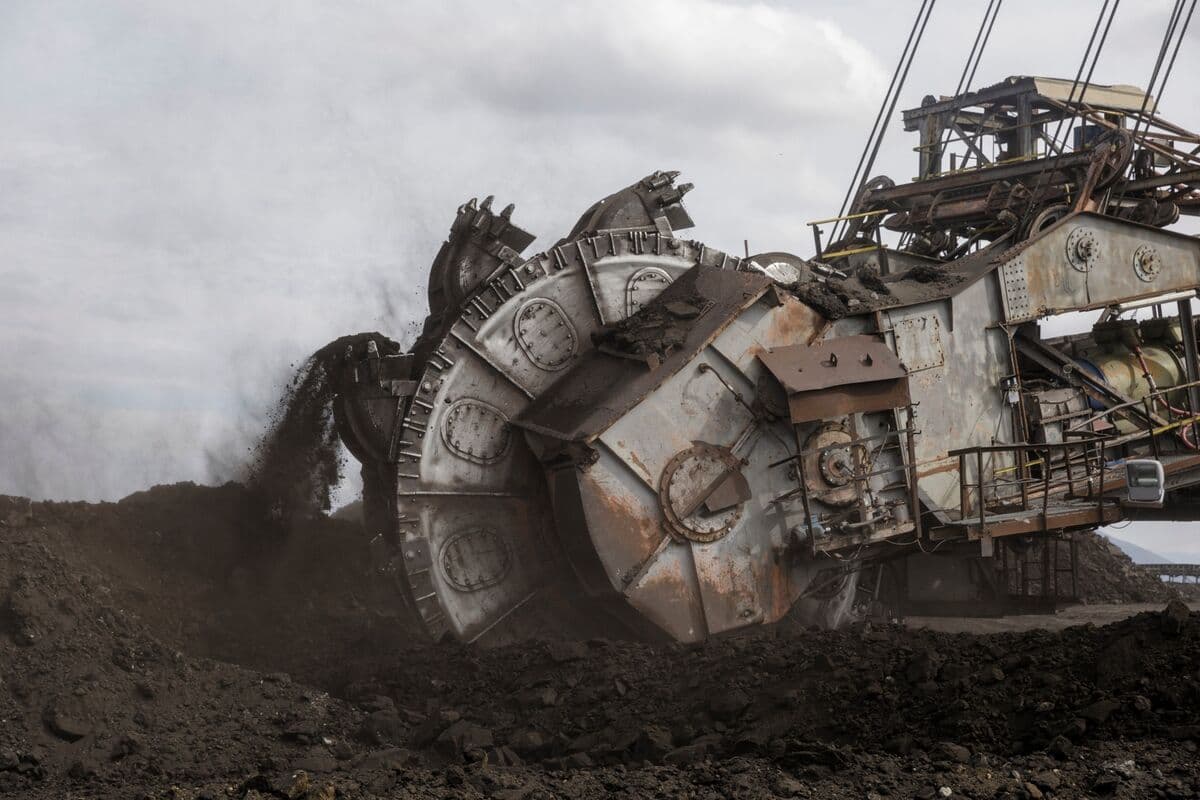
Photo via Bloomberg Markets
China has established a new state-controlled investment entity tasked with coordinating its international metals and mining operations, according to Bloomberg Markets. The move signals Beijing's determination to centralize and streamline its approach to securing critical mineral resources abroad at a time when geopolitical tensions are increasingly complicating resource acquisition.
For Boston-area companies dependent on stable mineral supplies—particularly those in advanced manufacturing, clean energy technology, and electronics—this development underscores the ongoing fragmentation of global supply chains. As China consolidates its resource strategy, U.S. firms in the region may face renewed pressure to diversify sourcing or invest in domestic mineral extraction and recycling technologies.
The coordination effort reflects China's recognition that unilateral deals and scattered investment approaches leave it vulnerable to political pushback and regulatory obstacles in host countries. By centralizing oversight through a state firm, Beijing aims to present a more unified front while managing the reputational and operational risks that have plagued some Chinese mining ventures internationally.
The implications for Boston's investment and manufacturing sectors are noteworthy: companies relying on nickel, lithium, cobalt, and rare earth elements should monitor how this Chinese strategy evolves, as it could affect both sourcing availability and pricing dynamics. Industry observers suggest this is a critical moment for regional firms to reassess supply chain resilience and consider partnerships or investments in alternative sourcing strategies.