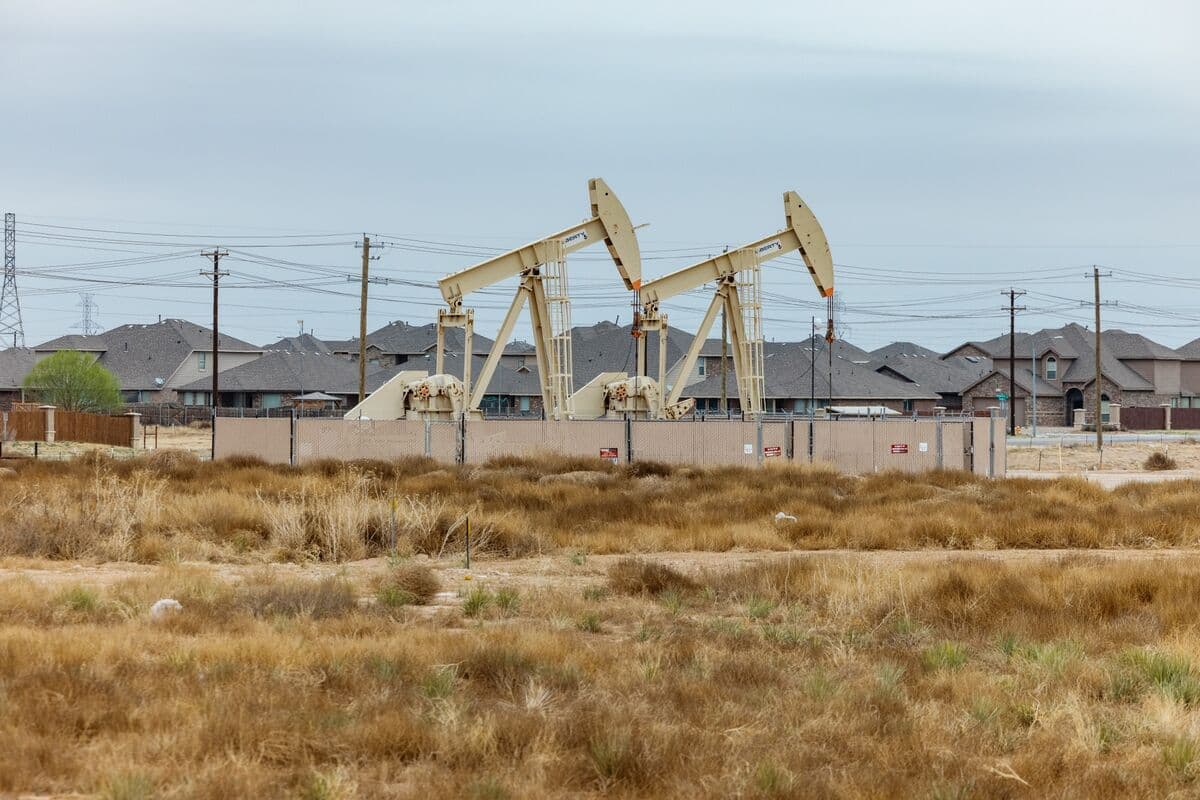
Oil markets showed signs of weakness this week following news of a ceasefire agreement between Israel and Lebanon, according to OilPrice. The diplomatic development has renewed investor optimism that broader U.S.-Iran negotiations could resume, a scenario that would likely ease global crude supplies and provide relief to energy-dependent regions like New England.
For Boston-area companies, particularly those in manufacturing, logistics, and heating—critical sectors during Massachusetts winters—lower oil prices translate to reduced operational costs. Brent crude fell 1.24% to $96.60 per barrel, while West Texas Intermediate declined 1.10% to $94.96, reflecting market expectations that the Strait of Hormuz could eventually reopen under a renewed Iran deal.
The timing of potential price relief comes as New England faces another heating season. Regional energy suppliers and consumers have endured volatile fuel costs in recent years, making any sustained downward pressure on crude markets welcome news for both household budgets and commercial bottom lines.
Industry analysts caution that diplomatic progress remains fragile and global geopolitical tensions continue to create price volatility. However, Boston-area business leaders monitoring energy hedges and supply chain costs should watch developments in Middle East negotiations closely, as any breakthrough could meaningfully impact regional competitiveness and operational expenses through 2025.